Song Meaning
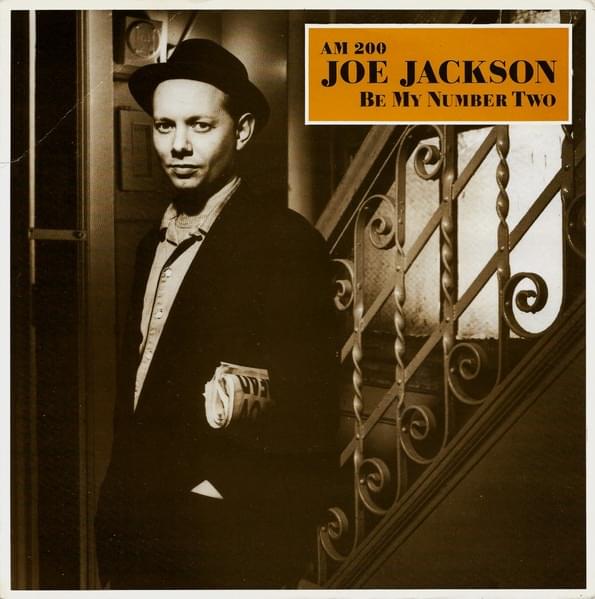
This track presents a stark, almost transactional proposal: a role as a secondary partner. The narrator is clearly exiting a primary relationship, "Me and number one are through," and is seeking a replacement, albeit one with diminished expectations. The offer isn't one of deep connection, but rather a pragmatic arrangement where the new person "just smile when I feel blue." It’s a plea for companionship stripped of the demands of a main relationship, positioning the potential partner as a comforting presence rather than an equal.
The core tension lies in the narrator's damaged emotional state and their attempt to engage in a new connection despite it. They admit, "there's not much left of me," and question the value proposition: "Is it worth the energy?" This self-awareness, however, doesn't prevent them from seeking someone to fill a void. The repeated plea, "Be my number two," underscores a desire for support that acknowledges their own depleted capacity, leaving the decision entirely in the hands of the prospective partner.
The lyrics cleverly use the concept of "number two" to articulate a specific kind of relationship: one that is secondary, perhaps even a placeholder. The narrator's desire for the new person to "be who I want you to" is a significant detail, suggesting a need for control or an inability to engage with another's authentic self due to past hurts. The line "my heart's seen too much action" is a blunt admission of emotional weariness, framing the request not as a fresh start, but as a managed continuation of life with a less demanding companion.
Ultimately, the effectiveness of these lyrics stems from their unflinching honesty about emotional unavailability. The narrator isn't pretending to offer a full, reciprocal love; they're offering a role that suits their current, wounded state. This raw depiction of seeking comfort without the capacity for deep engagement makes the proposal feel both vulnerable and slightly unsettling, capturing a specific kind of post-breakup pragmatism.
 View Artist