Song Meaning
The lyrics paint a stark picture of profound detachment, a deliberate withdrawal from the surrounding world. The narrator is "dead to the world," not just physically asleep, but emotionally absent from the mundane events unfolding around them. A truck arriving, a hat falling – these are signals of life and activity that the narrator is utterly oblivious to, suggesting a deep internal shutdown. The power being down on Dean Street and the cold ground further emphasize a sense of stagnation and an inability to bury the past or nurture future hope.
This state of being "dead to the world" is a stark contrast to a past self described as a "fighter" who was "quicker than blood." The narrator seems to have fallen from a place of vitality, now "riding the rails and drunk on the flood." There's a sense of lost dreams and a cynical resignation, encapsulated in the idea of laughing with one's last breath, a grim humor that few seem to understand or share. The repeated phrase "Now I'm dead to the world" acts as a refrain, reinforcing the pervasive sense of apathy and disconnection.
The lyrics hint at a complex past, where the narrator has witnessed "glory" that is now unacknowledged. There's a plea for gentleness, "Give me some sugar don't talk so mean," juxtaposed with the overwhelming feeling of being disconnected. The line "And you loved me best with no promise to keep" suggests a relationship that thrived on a lack of obligation, a freedom that might have contributed to the current state. The image of a "mouth full of gold and no weight on my feet" is particularly striking, implying a superficial richness or a hollow achievement that offers no grounding.
Ultimately, the narrator seems to be embracing this state of oblivion, even seeing it as a form of escape. The final lines, "I'll follow you down but I'm not coming up," suggest a conscious decision to descend further into this detachment, perhaps finding a perverse comfort in being "dead to the world" rather than engaging with its difficulties. The devil, often associated with temptation or consequence, "may care when you've had enough," implying that even darker forces might acknowledge the point of surrender, a point the narrator has clearly reached.
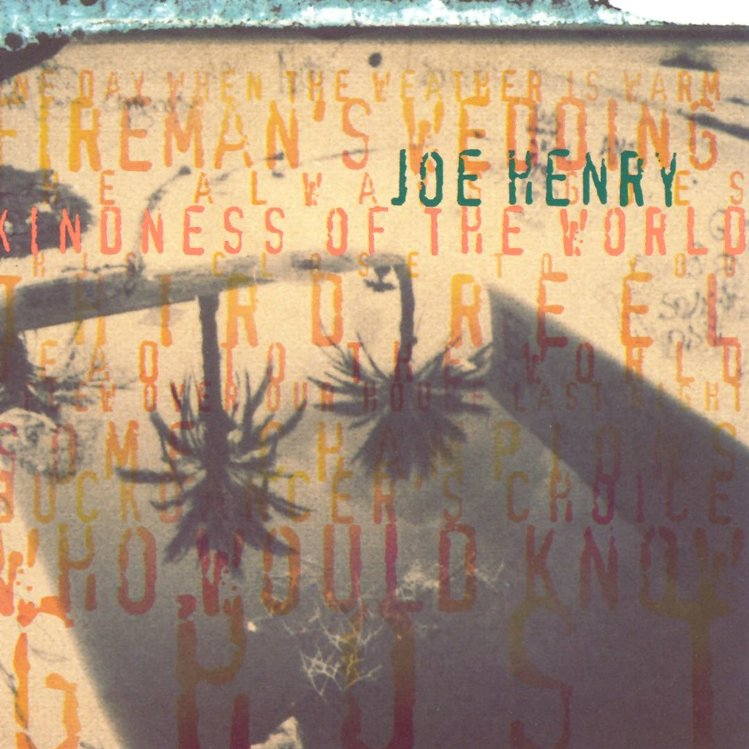
 View Artist