Song Meaning
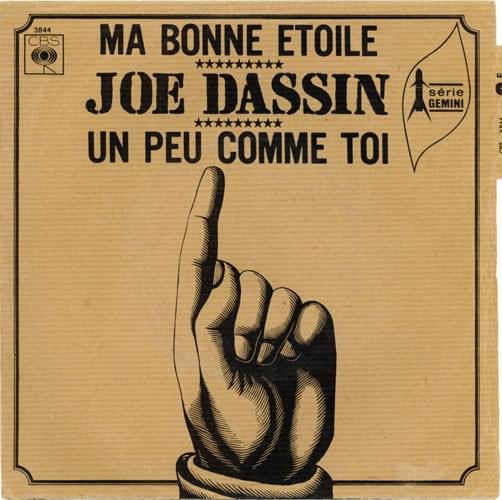
{"song_id": 14135710, "meaning": "Joe Dassin's \"Un peu comme toi\" isn't just a love song; it's a poignant reflection on the circuitous, often frustrating, path to finding a soulmate. The lyrics paint a picture of a man haunted by a past relationship, one where the memories linger like a half-finished detective novel, endlessly re-read and dissected. He sees echoes of this past love in his present partner, noting, \"Tu vois, un peu comme toi\" (\"You see, a bit like you\"), suggesting a thematic resonance rather than a carbon copy. This isn't about replacing someone; it's about recognizing shared qualities that trigger a familiar sense of connection and comfort.
The song's emotional core lies in the bittersweet realization of wasted time. The narrator laments the years spent longing, the lonely mornings with just a bowl of instant coffee for company. There's a deep sense of regret that he and his current love weren't brought together sooner. The repetition of \"Que de temps bêtement perdu\" (\"So much time foolishly wasted\") emphasizes this yearning, highlighting the pain of missed opportunities and the potential happiness that could have been. It's a universal sentiment, tapping into the human tendency to dwell on what could have been.
But \"Un peu comme toi\" isn't solely about regret. It also carries a message of hope and serendipity. The line \"Qu'au bout d'un rêve c'était toi qui m'attendais\" (\"That at the end of a dream, it was you who were waiting for me\") suggests that finding true love often feels like a dream come true, an unexpected and almost magical encounter. The song concludes with a sense of shared experience, the recognition that both partners were alone and searching, \"un peu comme moi\" (\"a bit like me\"). This shared solitude underscores the depth of their connection, suggesting that their eventual meeting was not just chance, but a destined convergence of two souls who understand each other on a fundamental level. It speaks to the idea that sometimes, the person we're meant to be with is someone who mirrors our own past experiences and vulnerabilities."}
 View Artist