Song Meaning
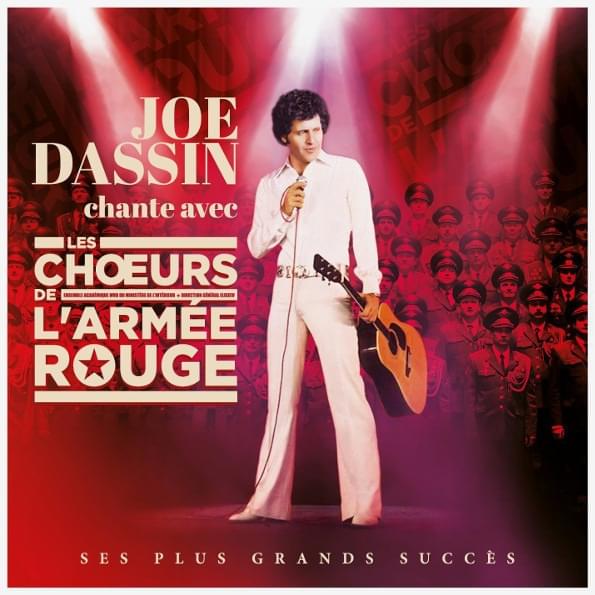
{"song_id": 14133567, "meaning": "Joe Dassin's \"Si tu t'appelles Mélancolie,\" especially in the haunting rendition with the Choeurs de l'Armée Rouge, isn't just a song; it's an encounter with a feeling personified. The lyrics paint a portrait of 'Melancholy' not as an abstract concept, but as someone staring back at their own reflection, lost and yearning. Dassin isn't observing this figure from afar; he's extending a hand, recognizing the shared space of loneliness and understanding. The genius lies in transforming a state of mind into a character we can almost see, someone trapped in a cycle of sadness, seeking escape. The song meaning hinges on this intimate recognition of shared suffering.
The repeated lines, \"Si tu t'appelles mélancolie / Si l'amour n'est plus qu'une habitude / Ne me raconte pas ta vie / Je la connais, ta solitude,\" cut deep because they bypass the need for explanation. There's a weariness in the acknowledgement, a sense of having walked the same path. It speaks to the universality of feeling disconnected, even within the supposed comfort of routine or relationship. Dassin positions himself as an empathetic fellow traveler, someone who already knows the contours of this particular solitude. He offers no platitudes, just the quiet assurance of understanding.
But \"Si tu t'appelles Mélancolie\" doesn't wallow in despair. It offers a fragile thread of hope. The lines about forgetting \"ensemble\" and recognizing each other suggest a path forward through solidarity. Dassin acknowledges the 'lost dogs' and 'misunderstood,' implying that within this shared melancholy, there's a potential for connection and perhaps even healing. The fleeting glimpse of \"demain peut-être\" hints at the possibility of unexpected encounters and a future where even Melancholy can find its place. This particular lyrics analysis reveals a profound understanding of the human condition, wrapped in a deceptively simple melody."}