Song Meaning
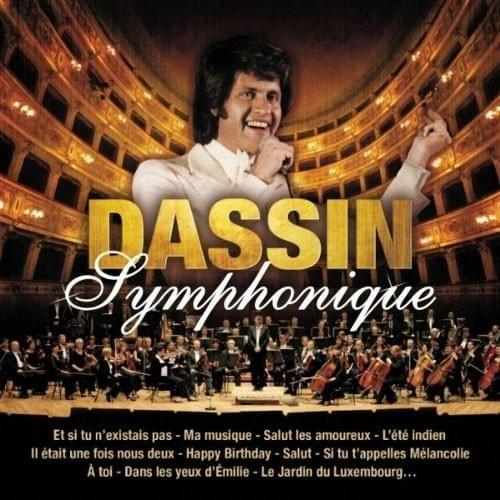
{"song_id": 14133479, "meaning": "Joe Dassin's \"Salut (Version symphonique)\" isn't just a greeting; it's a hesitant knock on the door of a past relationship, amplified by the sweeping orchestral arrangement. The repeated \"Salut, c'est encore moi\" becomes less an introduction and more an admission – a sheepish return after a long absence. The lyrics paint a picture of someone who's been wandering, both physically and perhaps emotionally, acknowledging the toll of this journey with a simple \"Et je me sens fatigué.\" The request for coffee isn't just for a caffeine boost; it's a yearning for the familiar comfort of home, a desperate attempt to rewind time. But the warmth he seeks may no longer exist. The symphonic version, with its heightened emotionality, underscores the weight of this return. This is not a casual visit.
The core of the song's meaning lies in the regretful recognition of personal change and misjudgment. Dassin sings, \"Tu sais, j'ai beaucoup changé / Je m'étais fait des idées.\" He admits to having constructed fantasies \"Sur toi, sur moi, sur nous,\" acknowledging the folly of his past perceptions. This isn't just about physical distance; it's about the gulf created by flawed expectations and the painful realization that he may have irrevocably damaged something precious. The use of \"fou\" (crazy) suggests a self-awareness of his past irrationality, a stark contrast to the present humility.
The final verses carry a heavy burden of acceptance. The line \"Tu n'as plus rien à me dire / Je ne suis qu'un souvenir\" is delivered with a poignant understanding that he may have become a ghost in her life. He's no longer entitled to her present, relegated to a memory – hopefully \"pas trop mauvais.\" The repetition of the opening lines, now tinged with this new awareness, emphasizes the futility of his return. Joe Dassin delivers a masterclass in understated heartbreak, proving that sometimes, the simplest greetings can carry the most profound weight of regret. The song's analysis reveals a universal truth: some bridges, once burned, can never be fully rebuilt, no matter how grand the symphony accompanying your return."}
 View Artist