Song Meaning
Joe Dassin's "Je la connais si bien" isn't just a song; it's a masterclass in melancholic observation, a portrait painted with the fine brushstrokes of regret and lingering intimacy. The track unfolds as a series of 'at this hour' vignettes, offering glimpses into the daily life of a woman the narrator knows intimately, despite their separation. He envisions her waking up burdened by mundane family concerns, scrutinizing her reflection with a critical eye, a stark contrast to his own idealized view of her beauty. This very specific, almost voyeuristic, detail is where the song's emotional core resides: in the space between knowing and possessing, between memory and reality. The lyrics hint at a past connection, a shared history now fractured, leaving the narrator stranded in a perpetual present of longing. He understands her routines, her anxieties, even her attempts to erase him from her memory, yet remains powerless to alter the course of their separation. His assertion that he knows her so well, even from afar, underscores the depth of his connection, but also the painful reality of his absence.
The recurring phrase "Je la connais si bien" (I know her so well) functions as both a testament to their past and a lament for its loss. The knowledge he possesses becomes a source of both comfort and torment. He sees her beauty, recognizes her struggles, and even anticipates her thoughts, yet he can only observe from a distance. The lyrics subtly reveal a sense of self-reproach, particularly when he calls himself "le roi des imbéciles" (the king of fools) for not being present in her and their children's lives. This line exposes a vulnerability beneath the surface of detached observation, suggesting that his absence is not merely a matter of circumstance but perhaps a consequence of his own actions or inactions.
Ultimately, "Je la connais si bien" explores the complex psychology of lingering affection after a relationship's end. It's a song about the enduring power of memory, the bittersweet ache of knowing someone deeply, and the acceptance that sometimes, love isn't enough to bridge the distance that grows between two people. The final verses, where he acknowledges that 'this hour used to be ours' and wonders if another will love her better, encapsulate the poignant mix of resignation and hope that defines the song's emotional landscape. Dassin's delivery, coupled with the lyrical precision, elevates the track beyond a simple ballad of heartbreak into a profound meditation on love, loss, and the enduring traces of intimacy.
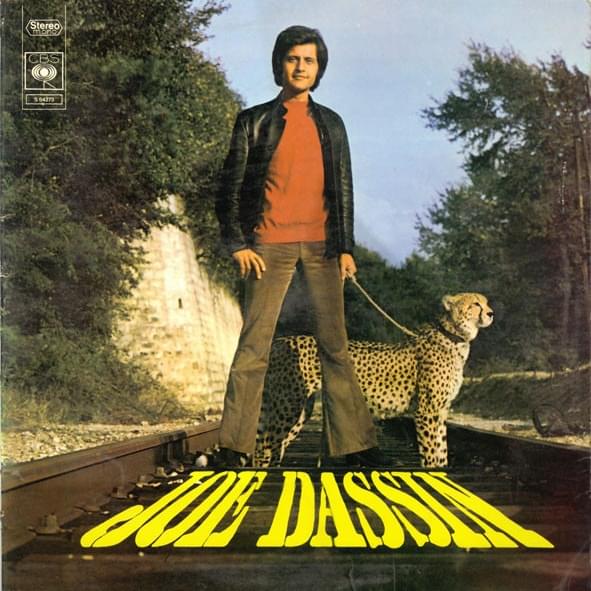
 View Artist