Song Meaning
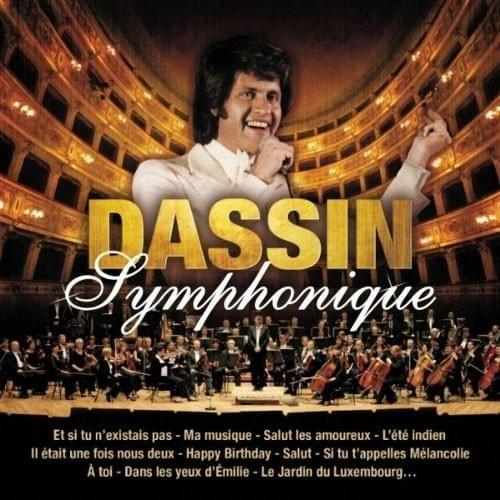
Joe Dassin's "Happy Birthday (Version symphonique)" isn't your typical celebratory anthem; it's a poignant exploration of solitude and memory, wrapped in the bittersweet irony of a birthday celebration. The song, beyond its surface festivity, delves into the psychology of coping with loss and the persistence of hope in the face of absence. Dassin paints a picture of a solitary birthday, marked by champagne and candles, but overshadowed by the conspicuous absence of a loved one. The lyrics hint at a past relationship, with the lines "L'an dernier nous étions toi et moi" underscoring the painful contrast between shared joy and present isolation. The act of celebrating alone becomes an act of defiance, a refusal to succumb to despair, even as the lyrics acknowledge the ache of longing. This is not a simple lament; it's a complex portrait of resilience.
The recurring phrase "Happy birthday / C'est pas parce qu'on est seul / Qu'on a pas le droit de danser" acts as a mantra, a self-affirmation against the crushing weight of loneliness. Dassin clings to the right to celebrate, to find joy even in solitude. The details scattered throughout the lyrics – the smaller cake, the extra candles, the speakerine on TV – amplify the feeling of forced normalcy, a carefully constructed facade against the backdrop of profound sadness. The speaker's attempts to fill the void with mundane activities and memories only serve to highlight the emptiness left by the departed lover. The "ballet qui n'en finit pas" is a metaphor for the endless cycle of grief and remembrance, a dance performed alone in the echoing chambers of the past.
Perhaps the most telling moment in Joe Dassin's "Happy Birthday" is the line about buying "Du blouson que tu n'aimais pas" – the jacket the absent lover disliked. This seemingly insignificant detail speaks volumes about the psychology of grief. It suggests an attempt to reclaim a sense of self, to assert individuality in the face of a relationship that may have, in its own way, been restrictive. It's a small act of rebellion, a quiet declaration of independence amidst the loneliness. The song's genius lies in its ability to weave together these subtle emotional cues, creating a rich tapestry of loss, hope, and the enduring power of the human spirit to find moments of joy, even in the face of profound sorrow. The song meaning isn't just about a birthday; it's about the human condition.
 View Artist