Song Meaning
{"song_id": 14133478, "meaning": "Joe Dassin's \"C'est bon l'amour\" translates to a celebration of love's intoxicating power, a refuge from the cold realities pressing outside the bedroom door. The lyrics paint a picture of a couple seizing a moment of blissful isolation, deliberately shutting out the \"vent du nord\" and the looming winter. It's a conscious choice to prioritize the immediate, sensual experience over external concerns; a temporary sanctuary built on shared intimacy. The repetition of \"C'est bon l'amour qui tourne la tête, c'est bon l'amour qui soûle\" (Love is good when it makes you lose your head, love is good when it intoxicates) underscores the dizzying, almost disorienting effect of passionate connection.
The song's beauty lies in its simplicity. Dassin doesn't delve into complex narratives or grand pronouncements. Instead, he captures the essence of a love that's both physically and emotionally consuming. Phrases like \"à croquer sur ta bouche\" (to bite on your mouth) and \"voler sur ta peau douce\" (flying on your soft skin) evoke a tangible sense of desire and tenderness. There's an acknowledgement of the outside world – \"demain le soleil emporte\" (tomorrow the sun takes away) – but it's quickly dismissed in favor of prolonging the night, stretching those precious hours of connection into an eternity.
\"C'est bon l'amour\" isn't just about physical pleasure; it's about the mental escape that love provides. It's about finding solace and joy in another person, creating a private universe where the rules of the outside world don't apply. The lyrics suggest a deliberate act of defiance, a refusal to let the pressures of life diminish the intensity of their bond. In essence, Joe Dassin delivers a timeless ode to the intoxicating and transformative power of love, a temporary rebellion against the ordinary."}
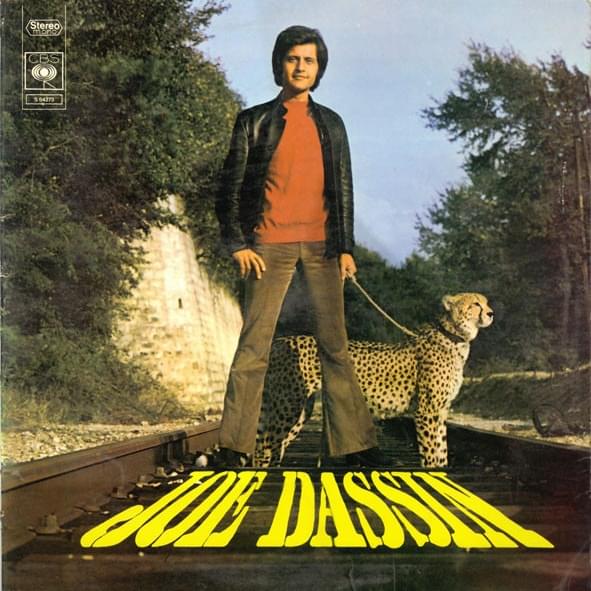
 View Artist