Song Meaning
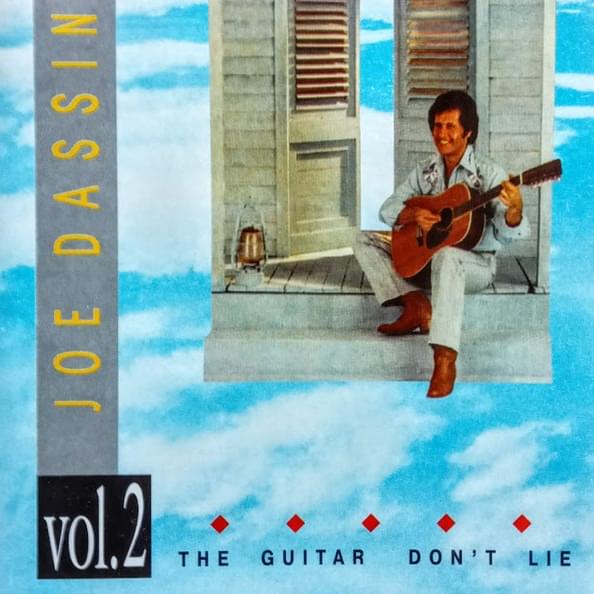
Joe Dassin's rendition of "Boogie Woogie Bugle Boy," originally a smash hit for the Andrews Sisters, isn't just a nostalgic jaunt through swing-era patriotism; it’s a subtly subversive commentary on individuality versus conformity. The initial setup is classic American Dream – a supremely talented trumpet player, the 'top man at his craft' in Chicago, embodying the vibrant, improvisational spirit of jazz. But then the draft notice arrives, a brutal interruption of personal expression by the demands of collective duty. The lyrics sketch a poignant clash between artistic freedom and military regimentation.
The core tension lies in the bugle boy's imposed silence. Forced to trade his trumpet for a bugle, his artistry is stifled, his 'boogie style' rendered obsolete by the rigid structure of army life. This isn’t merely about musical preference; it's about the suppression of a unique voice. The genius of the song, however, lies in its resolution. The Captain, a figure of authority, surprisingly recognizes the value of individuality and originality. He doesn't just tolerate the bugle boy's difference; he actively cultivates it, drafting a band to showcase his talents.
Ultimately, "Boogie Woogie Bugle Boy" celebrates the power of adaptation and the potential for even the most rigid institutions to embrace diversity. It suggests that conformity and individuality are not mutually exclusive, and that true leadership lies in recognizing and nurturing the unique talents within a group. The song is less a straightforward patriotic anthem and more a nuanced exploration of identity, purpose, and the transformative power of music, even within the confines of war.
 View Artist