Song Meaning
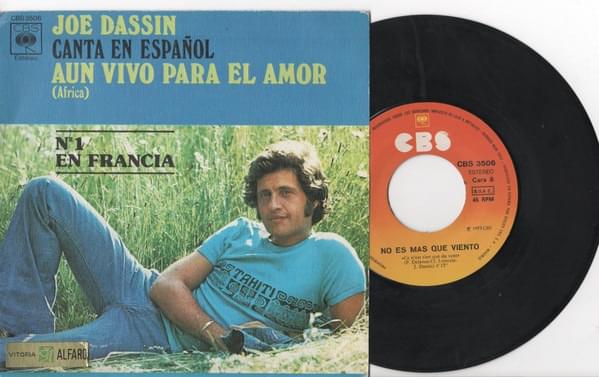
{"song_id": 14135788, "meaning": "Joe Dassin’s “Aun Vivo Para el Amor” isn't just a song; it's an exposed nerve of romantic longing. The track opens with a stark admission of solitude and loss, painting a portrait of a man haunted by the absence of a former lover. Memories flood in, not as joyful reminiscences, but as sharp reminders of what's been irrevocably lost. Dassin uses the metaphor of the beach, a shared space where he was both the sand supporting her and the wave carrying her, to express the depth of his devotion. The stark contrast between 'tu presencia, pequeñas cosas' and 'ahora este vacío' underscores the profound impact of her absence, leaving him unable to face the future. This isn't just heartbreak; it's an existential wound. The lyrics delve into the raw vulnerability of a man grappling with the possibility that his love might not have been reciprocated or even remembered.
The chorus offers a glimmer of hope amidst the despair. The repeated phrase 'Hacia atrás, sólo puedo mirar atrás / Y sentir que vuelvo a estar aún vivo para el amor' suggests a cyclical process of grief and renewal. Looking back isn't just about dwelling on the past; it's a necessary step in rediscovering the capacity to love again. The 'voz que viene de un atardecer' is a powerful image, evoking a sense of quiet contemplation and the possibility of a new dawn. It's not necessarily a promise of reconciliation, but rather an acknowledgment that the flame of love, though dimmed, still flickers within him. This concept is central to understanding the song meaning.
Dassin's melancholic delivery amplifies the song's emotional core. The questioning tone in verses like '¿Dónde estás? ¿Te acuerdas de mí, o te habrás olvidado?' reveals a deep-seated insecurity and fear of being erased from his lover's memory. Yet, despite the uncertainty, he clings to the belief that their connection transcends time: 'lo que siento no tiene tiempo, se llama amor.' This unwavering faith in the enduring power of love is the song's ultimate message. \"Aun Vivo Para el Amor\" is an anthem for the heartbroken, a testament to the resilience of the human spirit, and a poignant reminder that even in the face of profound loss, the capacity for love can endure."}
 View Artist