Song Meaning
The lyrics paint a picture of surrender to an inevitable, perhaps mystical, force. The opening lines suggest that peace is found by letting go, guided by "Morfeo ilustre," a clear nod to the god of dreams. This sets a tone of passive acceptance, where external guidance is sought and embraced as the path to tranquility. The scene is established as one where control is relinquished, and a dreamlike state is invited.
There's a stark contrast drawn between the desired "paz" and the narrator's current state, described as "luz es gris, es mezcla material." This suggests a dull, perhaps earthly or impure, existence that cannot be hidden, as indicated by the "niebla que no se puede ocultar." This material fog implies a lack of clarity or spiritual purity that prevents the narrator from achieving the peace offered by surrender.
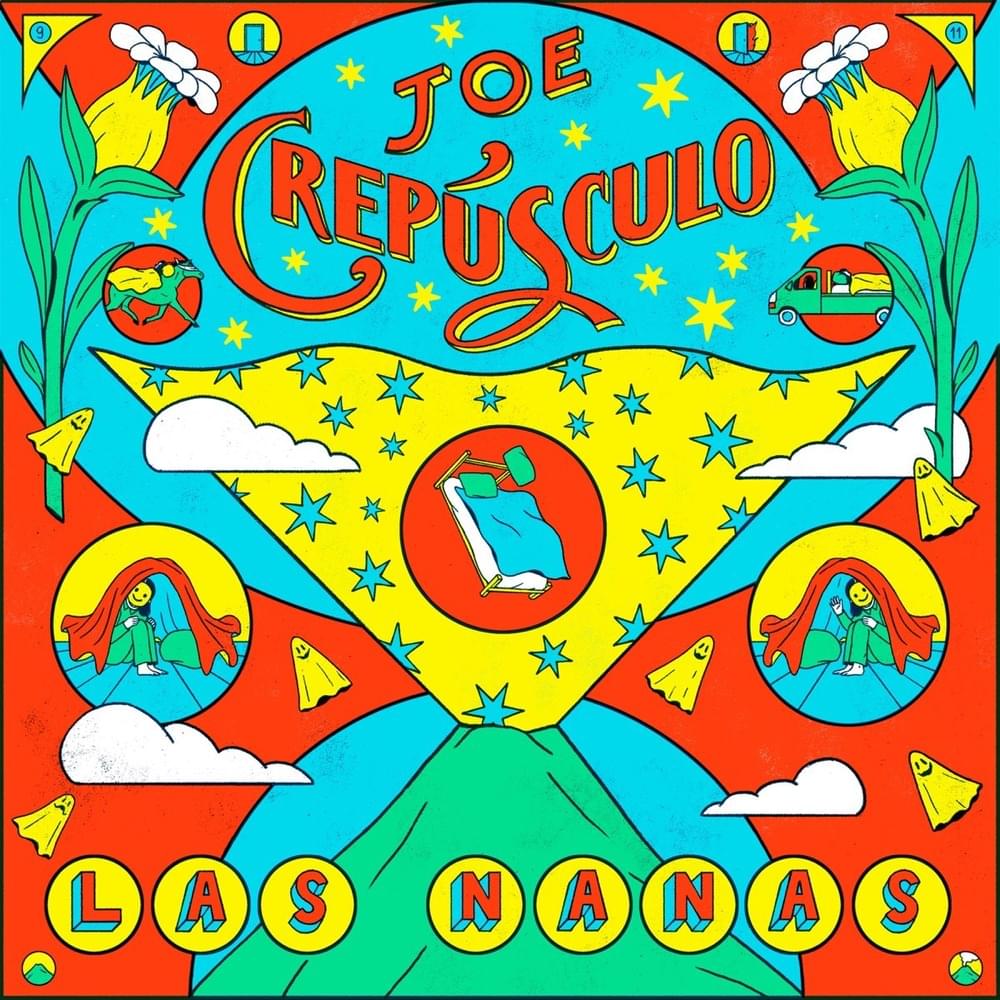
The imagery shifts dramatically to a powerful, inescapable nightfall. The "caballo blanco" evokes a classic, almost epic, image of arrival or dominion, but here it serves to emphasize the overwhelming power of the "noche" that "reina en la ciudad." The finality of "Y nadie se puede escapar" underscores the absolute nature of this reign, suggesting that this nocturnal dominion, and perhaps the surrender it demands, is a universal and unavoidable fate.
This lyrical construction is effective because it moves from a personal invitation to peace through surrender to a grand, almost cosmic, declaration of inescapable night. The contrast between the gentle guidance of Morpheus and the absolute reign of the night creates a compelling tension, making the call to "déjate llevar" feel both like an offer and a warning.
 View Artist