Song Meaning
These lyrics open with a powerful yearning, as the speaker wishes to be "un vendaval en la oscuridad"—a gale in the darkness. It's a desire for untamed force, for a kind of freedom that's both potent and perhaps unseen. This grand aspiration immediately bumps up against the human condition, with the speaker wanting to "caer de pie y tropezar con la humanidad," suggesting a resilience that still acknowledges shared vulnerability.
The central tension here revolves around a complex understanding of freedom. The speaker explicitly rejects seeing liberty "como una enfermedad" or "como una jaula con vistas al mar." This isn't just a simple longing for escape; it's a nuanced refusal of both destructive, uncontrolled freedom and the kind that offers a beautiful view but still keeps you trapped. Instead, the preference is reaffirmed: to be a fleeting, powerful force, "una tormenta que viene y se va."
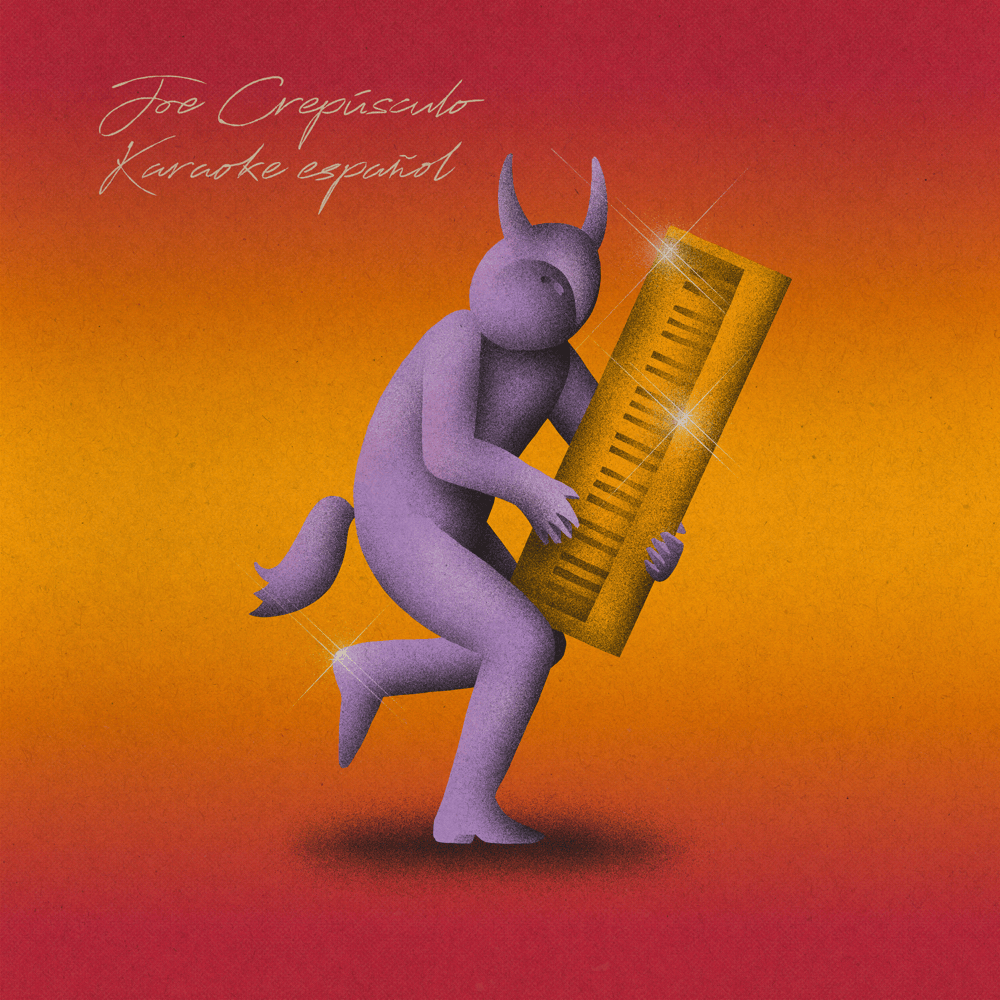
Amidst these profound reflections, a recurring, intimate refrain grounds the abstract desires: "Canciones que te canté / Con mi imaginación / Karaoke español." This motif is a masterstroke. The act of singing karaoke, often seen as a casual performance, is elevated by the crucial detail that these songs were sung "con mi imaginación." It suggests a private, perhaps unshared, world of connection and expression, where the speaker's deepest feelings are channeled through an imagined performance, a distinctly Spanish one.
Ultimately, these lyrics resonate because they brilliantly capture the gap between our internal, boundless aspirations and the more personal, sometimes imagined, ways we try to connect and express ourselves. The contrast between the untamed "vendaval" and the imagined "Karaoke español" creates a poignant sense of a spirit that dreams big but finds its most profound expression in intimate, perhaps unfulfilled, acts of creative connection. It's a quiet power, performed for an audience of one, in the theater of the mind.
 View Artist