Song Meaning
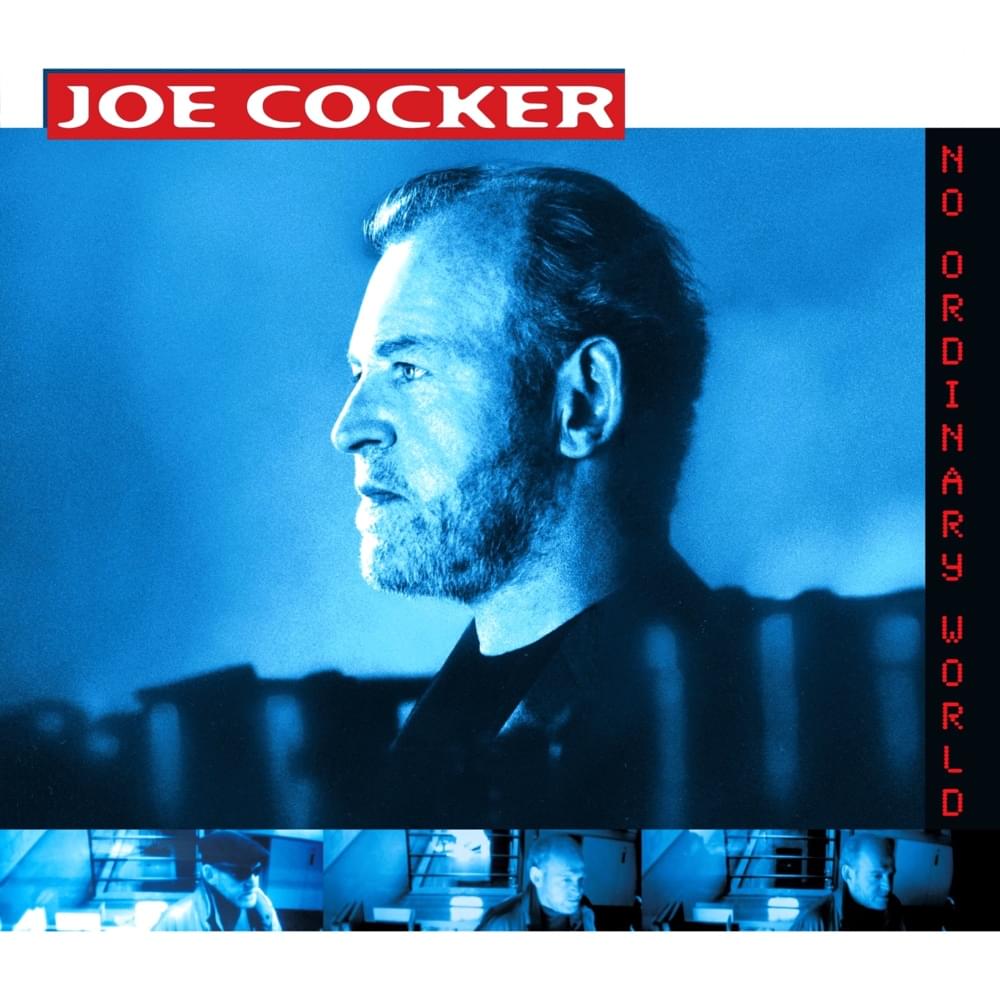
Joe Cocker's gravel-throated rendition of "While You See a Chance" isn't just a song; it's a survival strategy set to music. The opening lines, urging us to "stand up in a clear blue morning / Until you see what can be," are less about optimism and more about the desperate need to manufacture hope. This isn't naive positivity; it's a call to actively construct a future when the present offers little solace. Cocker's delivery, with its trademark blend of vulnerability and grit, underscores the precariousness of this endeavor. The 'clear blue morning' is a fleeting opportunity, a brief window before the inevitable onslaught of 'cold tomorrow.'
The song’s core lies in its recognition of the self-deception required to navigate a world that constantly threatens to grind you down. The lyrics acknowledge the crushing weight of past disappointments and the isolating effect of endless striving. "When some cold tomorrow finds you / When some sad old dream reminds you / How the endless road unwinds you" depicts a cyclical torment. The pivotal line, "You even you don't quite believe you," exposes the erosion of self-belief, a common casualty of relentless pressure. It’s an open admission of the psychological toll of maintaining a facade of competence and resilience.
And that's where the chorus hits hardest: "While you see a chance, take it / Find romance, fake it / Because it's all on you." The directive to "fake it" isn't advocating for inauthenticity as a lifestyle, but rather as a temporary measure, a necessary fiction to propel oneself forward. It's a stark acknowledgement of the individual's burden in a world that offers no guarantees. The rawness in Cocker's voice sells this idea. He's not preaching from a place of triumph, but from the trenches of experience. The song resonates because it doesn't offer easy answers, but rather a pragmatic, albeit cynical, approach to survival in the face of overwhelming odds.
 View Artist