Song Meaning
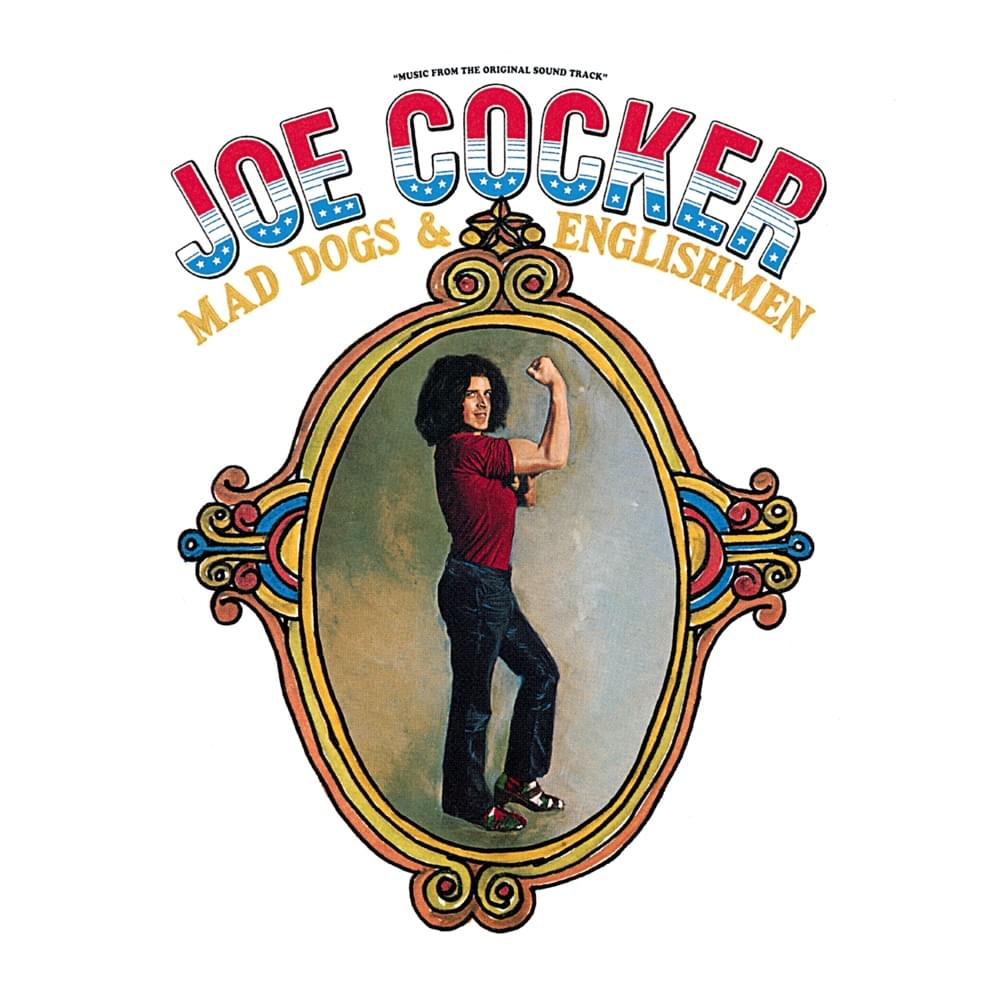
Joe Cocker's raw, emotionally eviscerating rendition of "Superstar," particularly the live version from the Fillmore East in 1970, transforms a pop lament into something bordering on a primal scream. Stripped of the studio gloss, Cocker's gravelly voice embodies a desperate yearning that cuts through the original song's wistful longing. This isn't just about unrequited love for a musician; it's an exploration of the parasocial relationship taken to its most painful extreme. The lyrics hint at a fan's obsessive devotion, someone who fell in love "before the second show," blurring the lines between the artist's persona and their actual being. The guitar, a symbol of the artist's presence, is both seductive and taunting, a constant reminder of their absence.
Cocker's interpretation amplifies the inherent loneliness at the heart of the song. The repeated pleas – "Don't you remember you told me you loved me baby?" and "Come back to me again" – aren't just romantic entreaties; they're cries for recognition, a desperate attempt to break through the barrier between performer and audience. The simplicity of the language only heightens the sense of vulnerability, revealing the raw nerve of someone clinging to a fantasy. The "radio" becomes a cruel instrument, broadcasting the object of affection but simultaneously reinforcing their unattainable status.
The genius of Cocker's "Superstar" lies in its unflinching portrayal of obsession. It's a study in the psychology of fandom, the way adoration can morph into a consuming need. The line "Loneliness is such a sad affair" is delivered with such guttural force that it becomes more than just a statement; it's a confession. This live performance isn't just a song; it's a visceral experience, a glimpse into the dark side of devotion where the line between love and madness blurs. Cocker doesn't just sing the song; he embodies the yearning, the desperation, and the heartbreaking reality of loving someone who exists only on a stage or through a speaker.