Song Meaning
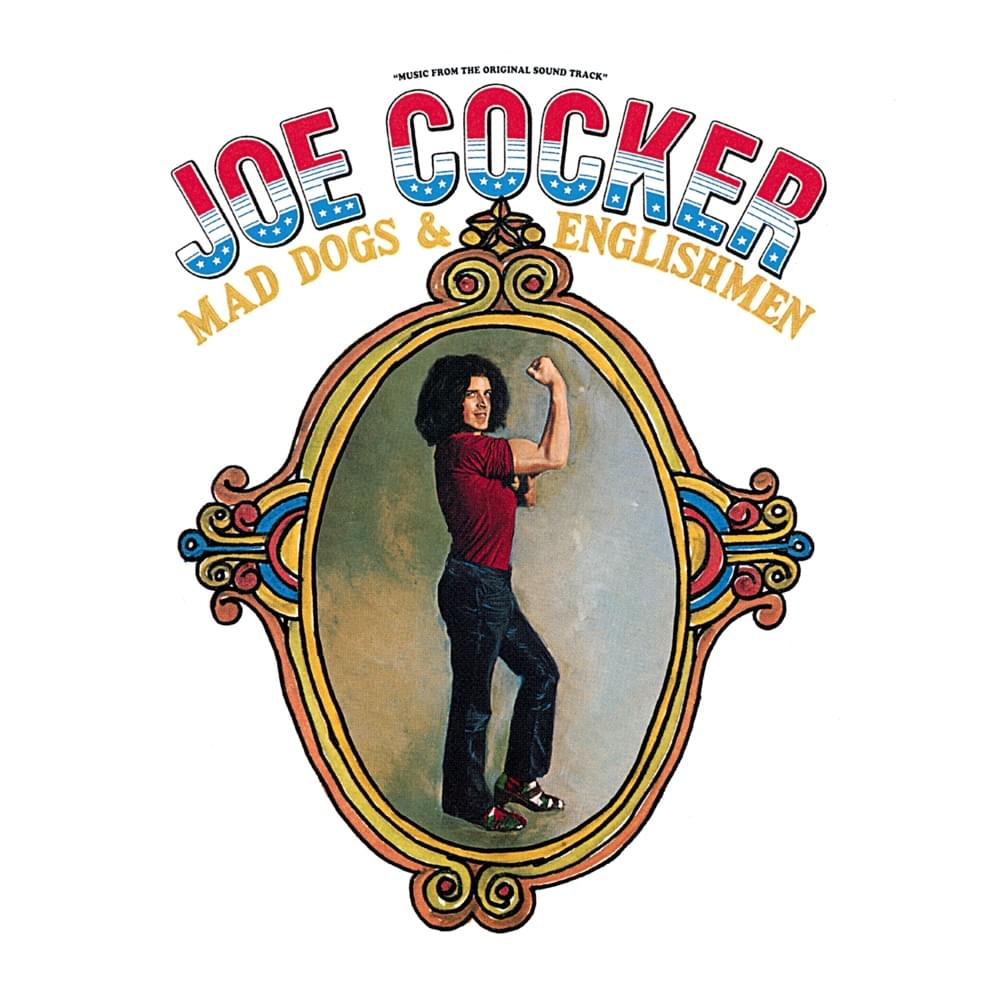
Joe Cocker didn't just sing "Honky Tonk Women"; he inhabited it, chewed it up, and spat it out with a gravelly, soul-wrenching intensity that the Rolling Stones themselves arguably never achieved. Cocker's live rendition, especially the Fillmore East version, transforms a raunchy barroom tale into a primal scream of desire and desperation. The song, at its core, explores the intoxicating and destructive allure of fleeting encounters. Cocker's delivery, raw and untamed, underscores the narrator's vulnerability, a man seemingly adrift in a sea of transient connections. The "gin-soaked barroom queen" and the New York divorcee aren't just conquests; they are fleeting distractions from an underlying ache, a profound inability to "drink you off my mind," suggesting a deeper, unresolved longing.
The genius of Cocker's interpretation lies in his ability to expose the blues lurking beneath the surface of the Stones' swagger. It's not just about the thrill of the chase; it's about the emptiness that follows. The repeated refrain, "It's the honky tonk women / That gimme, gimme, gimme the honky tonk blues," becomes less a celebration and more a lament. The "honky tonk blues" aren't just a musical style; they represent a state of being, a perpetual cycle of seeking solace in fleeting encounters, only to be left with a lingering sense of dissatisfaction.
Ultimately, Joe Cocker's version of "Honky Tonk Women" transcends the original, morphing from a Rolling Stones classic into a visceral exploration of human frailty. It's a masterclass in interpretation, a reminder that even the most seemingly straightforward narratives can conceal profound emotional depths. The lyrics, simple as they are, become a vehicle for Cocker's raw, unfiltered expression of longing, regret, and the eternal search for connection in a world of fleeting pleasures.
 View Artist