Song Meaning
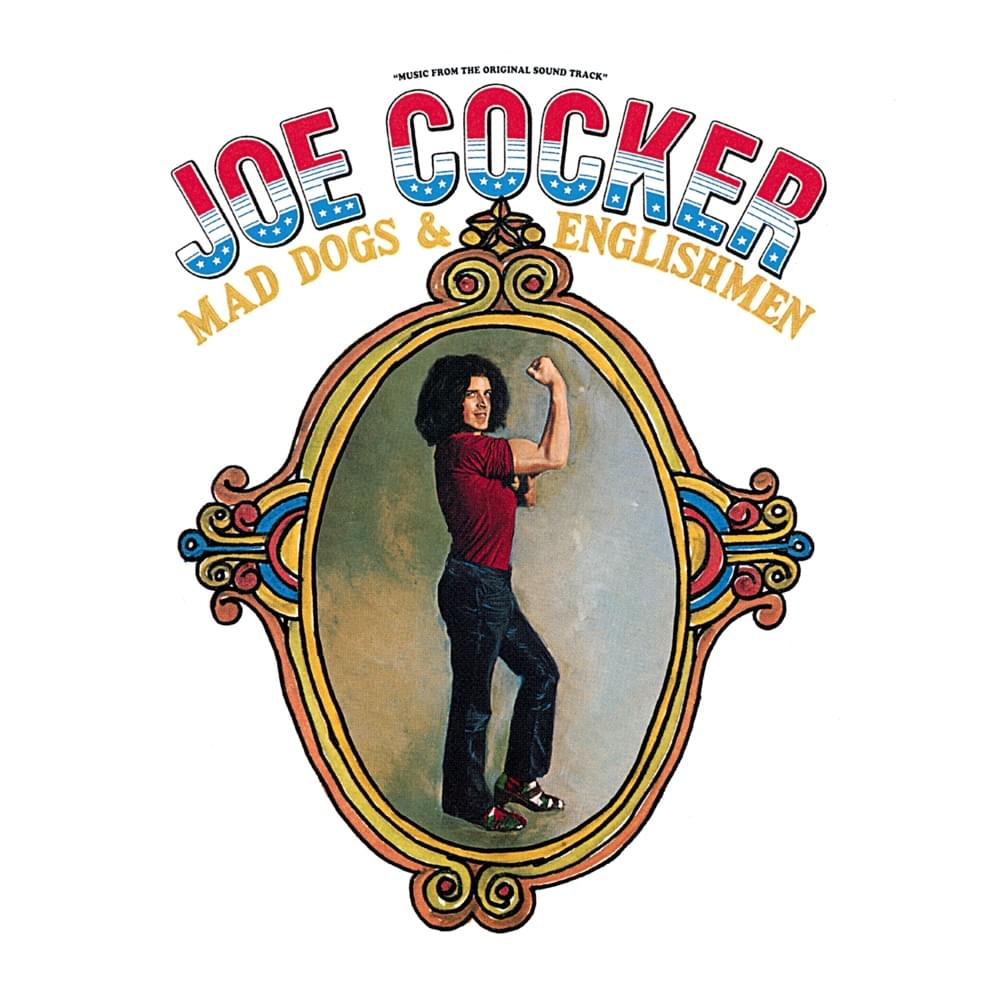
Joe Cocker's live rendition of "Give Peace a Chance" at the Fillmore East in 1970 transforms John Lennon's simple anthem into a raw, almost desperate plea. Stripped of studio polish and imbued with Cocker's signature gravelly vocals, the song's meaning shifts from hopeful idealism to a more visceral demand. It's no longer just a suggestion; it's a ragged insistence born from the turmoil of the era. The repetition of the core phrase, "Give peace a chance," becomes less a mantra and more a primal scream against the backdrop of war and social unrest. Cocker's performance acknowledges the uphill battle inherent in the pursuit of peace.
The addition of "Oh lordy, mercy, oh yes it will" introduces a gospel-tinged element of faith and perseverance. It's a recognition that achieving peace requires not just desire but also spiritual fortitude. This interjection suggests a deeper yearning, a reliance on something beyond the purely political or social. The "yes it will" refrain, repeated like a fervent prayer, underscores the necessity of unwavering belief, even when faced with overwhelming odds. Cocker's delivery imbues these lines with a sense of urgency, as though he's trying to convince himself, as much as the audience, of the possibility of a peaceful future.
Ultimately, Cocker's interpretation of "Give Peace a Chance" is a potent reminder that the pursuit of peace is not a passive exercise but an active struggle. The live setting amplifies the rawness and immediacy of the message, transforming a simple call for peace into a powerful expression of collective yearning and a testament to the enduring relevance of the song's core message. The sparseness of the lyrics, repeated ad nauseam, allows the listener to project their own anxieties and hopes onto the song, making it a personal and universal statement at the same time. It’s a communal experience, a shared desire shouted into the void.
 View Artist