Song Meaning
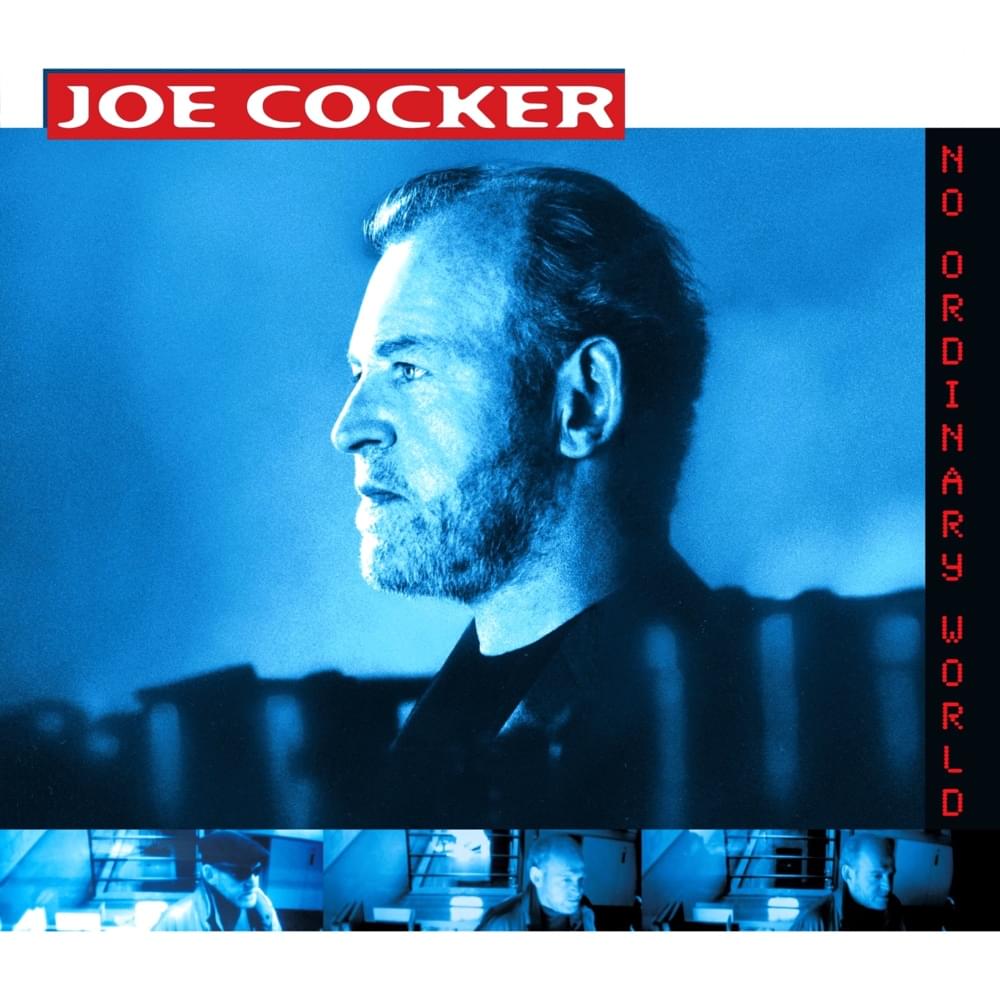
Joe Cocker's interpretation of "First We Take Manhattan" drips with a world-weariness that only enhances Leonard Cohen's already cynical lyrics. While the song ostensibly outlines a plan for global domination, the true song meaning lies in the narrator's deep-seated resentment and disillusionment. He's a figure sentenced to "twenty years of boredom," a punishment for daring to challenge the status quo from within. This sets the stage for a twisted sense of justice, a mission to "reward them" – a chilling promise delivered with Cocker's signature gravelly intensity. The repeated mantra of conquering Manhattan and Berlin becomes less about territorial acquisition and more about a symbolic dismantling of cultural and political power centers.
Beneath the surface of geopolitical strategy, "First We Take Manhattan" explores personal betrayal and societal decay. The narrator expresses a desire for intimacy ("I'd really like to live beside you baby"), quickly followed by a stark admission: "I told you I was one of those." This creates a push-pull dynamic, a yearning for connection juxtaposed with an awareness of his own destructive nature. He's drawn to beauty ("I love your body and your spirit and your clothes"), yet driven by a force beyond his control – "a signal in the heavens," "the birthmark on my skin." These guiding forces, whether divine or intrinsic, suggest a predetermined path, a destiny of disruption.
The final verse solidifies the song's critique of contemporary values. The narrator voices his disdain for the "fashion business," the "drugs that keep you thin," and the unspecified tragedy that befell his sister. These lines paint a picture of a corrupt and superficial society, one that has fueled his desire for retribution. Cocker's delivery adds layers of pain and anger to these observations, transforming Cohen's words into a raw, visceral indictment. Ultimately, "First We Take Manhattan" is not just a song about conquest; it's a lament for a lost soul, a cautionary tale about the consequences of societal apathy and the seductive allure of revenge.
 View Artist