Song Meaning
The lyrics paint a picture of a group or individuals who feel unseen and uncared for by a dominant 'them.' There's a palpable sense of being on the periphery, existing in a state of perpetual motion and evasion. The opening lines immediately establish a feeling of being secondary, of not being the primary focus of affection or concern, setting a melancholic yet resilient tone. The repeated directive to "carry on" suggests an internal struggle to maintain momentum despite this perceived neglect.
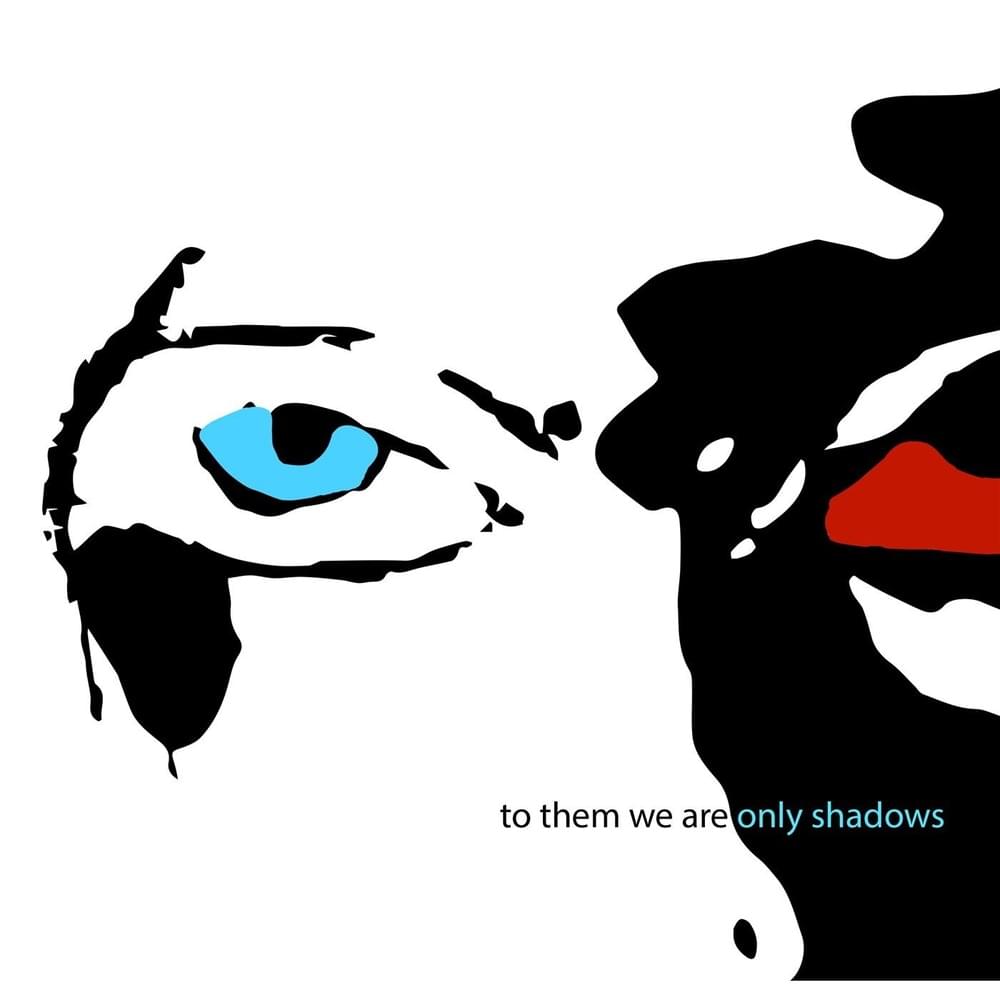
The central tension lies in the narrator's awareness of their own invisibility to others, contrasted with a persistent hope for eventual connection. The phrase "To them we are only shadows" powerfully encapsulates this feeling of ephemeral existence, suggesting a lack of substance or recognition. Yet, the subsequent line, "Until we meet eventually," injects a note of quiet optimism, a belief that this state of being overlooked is not permanent and that a future encounter will bring acknowledgment.
The craft here is subtle but effective, particularly in the juxtaposition of the mundane frustration of "I hate copy paste" with the existential plight of being a shadow. This unexpected detail grounds the abstract feeling of alienation in a relatable, everyday annoyance, making the narrator's overall weariness more tangible. The repetition of key phrases like "We are not the ones / They really care for" and "We should carry on" reinforces the cyclical nature of their struggle and their determined, albeit weary, response.
Ultimately, these lyrics resonate because they articulate a common human experience of feeling overlooked or undervalued, while simultaneously holding onto a flicker of hope for future recognition and connection. The deliberate choice to remain "of the grid" and "hide within' the lines" speaks to a strategy of survival and self-preservation in the face of indifference, making the quiet resilience of the narrator deeply compelling.
 View Artist