Song Meaning
The lyrics paint a surreal, almost hallucinatory picture, starting with a seemingly innocent scene of a nun making fritters for a priest, but quickly devolving into bizarre and unsettling imagery. The phrase "buñuelos de viento" (wind fritters) sets a tone of ephemerality and unreality, immediately juxtaposed with the oddly specific and slightly grotesque detail of "tomate de calcetín" (sock tomato).
This unsettling atmosphere intensifies with a series of disjointed, almost violent images: a bell clapper, the rustle of a cassock, a bark in Andalusian dialect. The lines "Cuando no se zurce un himen / Es porque se ensaya un crimen" (When a hymen isn't being stitched / It's because a crime is being rehearsed) introduce a dark, moralistic undercurrent, suggesting that any perceived purity or order is a facade for underlying corruption or transgression.
The narrator then shifts to a more chaotic, almost revolutionary fervor, describing a feverish "tranvía en libertad" (tram in freedom) where a chicken is plucked and exterminated, leading to the demise of "la buena sociedad" (good society). This section feels like a violent dismantling of social norms and hypocrisy, a purging of the superficial.
The final stanza brings in a visceral, almost carnal image of a thigh finding the path of Santiago, sliding across skin, and the ensuing chaos. The repeated "Zapatazos en el alma" (stomps on the soul) and the final, direct mention of "Zapatea Luis Buñuel" (Luis Buñuel stomps) firmly anchor the entire piece in a surrealist, anti-bourgeois sensibility, suggesting a deliberate, artistic assault on conventionality and societal expectations through dreamlike, often disturbing, imagery.
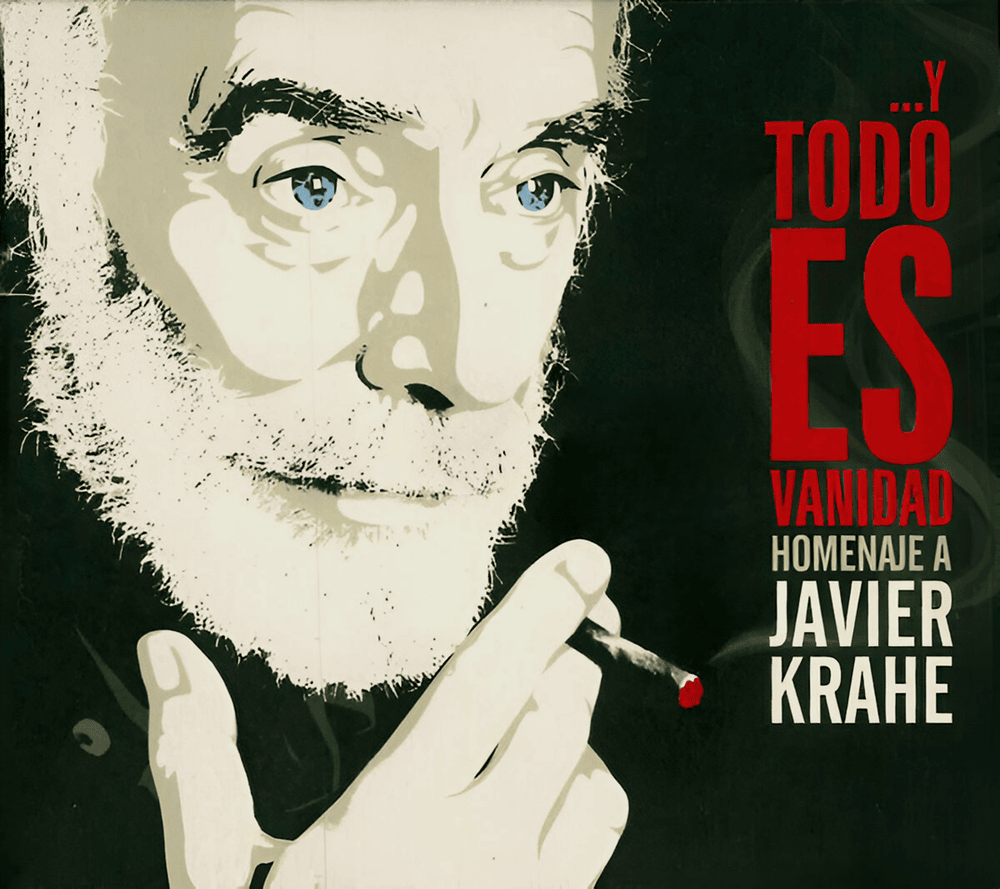
 View Artist