Song Meaning
The narrator, tending to their flock in a humble hut, faces an immediate threat: a wolf approaching their sheepfold. The scene is set with a stark, almost primal imagery – the narrator painting their staff, the goats high up, and a low moon, all suggesting a quiet, vulnerable moment before the intrusion. This initial stillness is shattered by the direct confrontation with the wolf, creating an instant tension.
The core conflict lies in the narrator's desperate defense of their livelihood, represented by the "seven puppies" and their "Trujillana dog." The wolf's relentless pursuit of a "white lamb" highlights the predator-prey dynamic, but the narrator's plea is not just about survival; it's about protecting their family and their resources. The chase is depicted with a sense of arduousness, spanning "seven leagues" twice, emphasizing the effort involved in both the hunt and the defense.
The narrative takes a turn with the dog finally catching the lamb, but the wolf's response shifts the focus from mere hunger to a more possessive, almost territorial claim. The wolf's final declaration, "What I want is your hide, / Which I have earned," suggests a deeper, perhaps ancestral right or a grim determination that transcends simple predation. This line introduces a layer of fatalism or a primal struggle for dominance.
This ballad's power comes from its directness and the stark, unadorned language used to describe a life-and-death struggle. The repetition of the chase distance and the clear roles of predator and protector create a visceral sense of urgency. The abrupt ending, with the wolf asserting its claim over the lamb's hide, leaves the listener with a chilling sense of unresolved conflict and the harsh realities of the natural world.
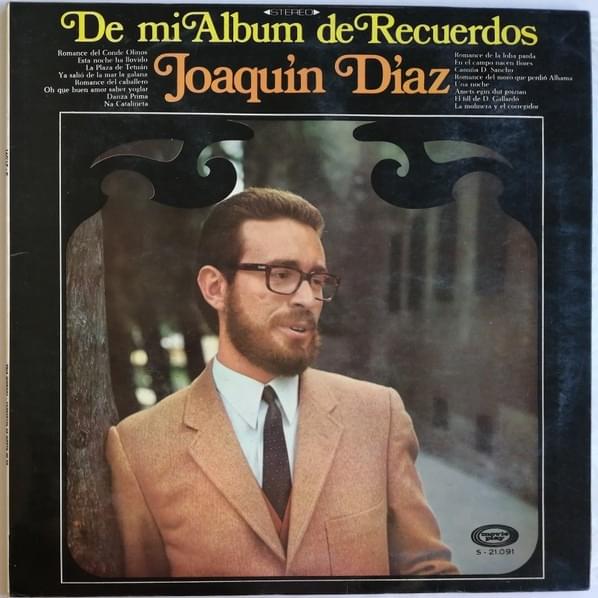
 View Artist