Song Meaning
The lyrics open with a stark historical marker, "Del día seis de febrero / Nos tenemos que acordar," immediately grounding the listener in a specific moment of Spanish military action. The declaration "Entramos los españoles / En la Plaza de Tetuán" establishes a clear narrative of conquest. This initial triumph is quickly echoed in the repeated chorus, solidifying the territorial gain.
Yet, beneath this celebratory tone, a deep-seated anxiety emerges. The second verse introduces a chilling prophecy: "Cuando el caballo relinche / Entrará el moro en España." This conditional statement creates a powerful tension, juxtaposing the Spanish taking Tetuán with a future fear of "the Moor" entering Spain, suggesting that victory might not be absolute or permanent.
The image of the "caballo de caña" (reed horse) is particularly striking. A reed horse, by its nature, cannot neigh, making the condition for "the Moor" entering Spain seem impossible. This fantastical element imbues the prophecy with an almost mythical dread, implying that even an absurd, impossible trigger could unleash a feared outcome, highlighting a pervasive, perhaps irrational, fear.
These lyrics culminate in an urgent, almost panicked warning: "Centinela, centinela / Alerta, alerta que vienen / Los moritos de a caballo." This shift from historical recounting and conditional prophecy to an immediate call to arms makes the underlying fear palpable. The repeated chorus about taking Tetuán and Tánger then feels less like a boast and more like a desperate assertion against an ever-present, looming threat, making the listener feel the weight of this historical and prophetic tension.
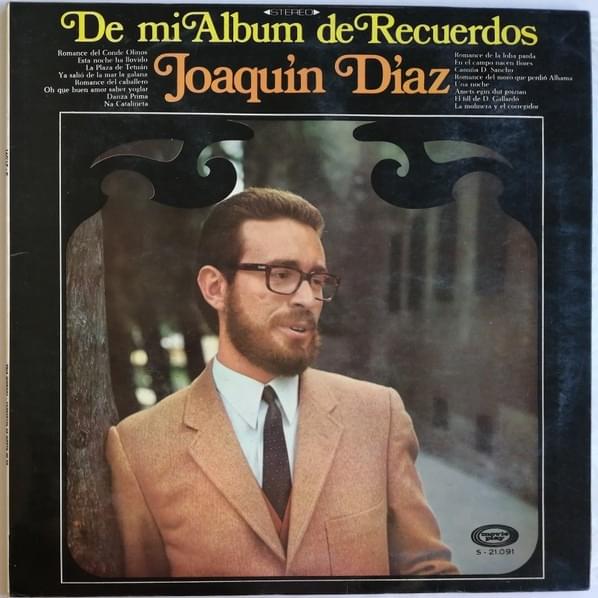
 View Artist