Song Meaning
The lyrics paint a vivid picture of a love that refuses to fade, even after separation. The repeated phrase "Você não morre mais" (You don't die anymore) immediately establishes a sense of enduring presence, a ghost of a past relationship that haunts the narrator. This isn't a gentle memory; it's an active, almost painful persistence, as if the person remains eternally in the heart, "como um castigo" (like a punishment). The narrator grapples with the inability to move on, questioning why they never see each other again, a central tension that fuels the song's melancholic narrative.
The core conflict lies in the narrator's desperate desire to forget versus the reality of an unyielding attachment. They wish to "esquecer um dia só" (forget just one day) and move past the pain, but the memory of the lost love prevents this. The imagery of becoming a "caçador" (hunter) who cannot kill the "fera" (beast) that tears them apart, highlighting the futility of their struggle against this "sem matar a fera" (without killing the beast). This metaphor powerfully conveys the internal battle against a consuming, "louco amor" (crazy love).
The craft here is in the persistent, almost obsessive repetition of the central phrase and the stark contrast between the desire for oblivion and the inescapable reality of remembrance. The lyrics suggest a deep-seated pain, where the memory of the loved one is not just a recollection but an active wound, "A velha fisga / Deste seus anzóis" (The old barb / Of your fishhooks). The final lines, "Te olho uma vez mais / E guardo tudo pra chorar depois" (I look at you one more time / And keep it all to cry later), encapsulate the resigned sorrow, the act of holding onto the pain rather than letting it go.
This enduring ache is what makes the lyrics resonate. It’s the raw, unvarnished depiction of a love that, while perhaps no longer physically present, remains a potent force, shaping the narrator's present and future. The writing doesn't offer easy answers or resolution, instead capturing the profound difficulty of truly letting go when a connection has left such an indelible mark.
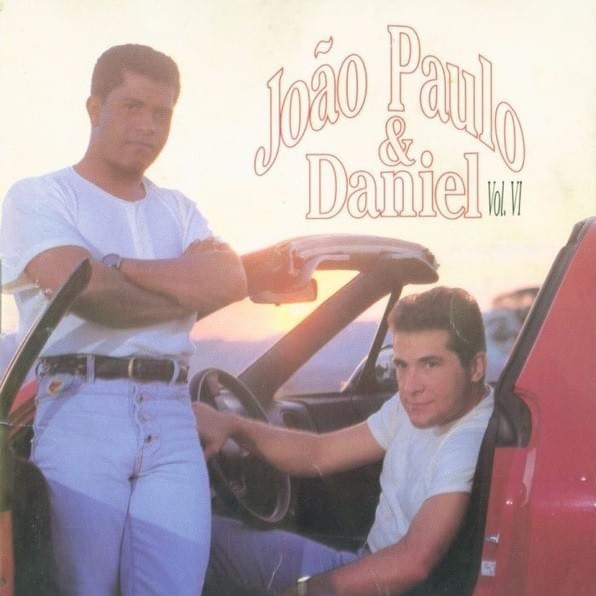
 View Artist