Song Meaning
The narrator is pleading with their own heart to be cautious about falling too deeply in love. There's a clear sense of self-awareness about the potential for pain, framing intense passion as a dangerous, volatile territory. The lyrics repeatedly warn the heart to "take care" of itself, acknowledging the addictive, yet perilous, nature of love. It's a direct address, a desperate plea from the rational mind to the impulsive emotions.
The central tension lies in the inescapable pull of love versus the narrator's learned fear of heartbreak. They admit they "can't live without love," even while recognizing that this very need makes them vulnerable. This creates a cycle of desire and dread, where the pursuit of affection is inherently risky. The heart, described as "passionate," is depicted as reckless, unconcerned with consequences, and solely focused on receiving love, amplifying the narrator's anxiety.
The repeated phrase "Te cuida coração" (Take care, heart) acts as a mantra, a desperate attempt to impose control. The contrast between love being "beautiful, it's delicious" and simultaneously "dangerous" highlights the core conflict. This duality suggests that the very qualities that make love desirable also make it destructive. The lyrics paint a picture of a heart that is naive and fearless, unable to discern right from wrong when consumed by passion, leaving the narrator to manage the fallout.
This internal conflict makes the lyrics resonate; it's the universal struggle between wanting connection and fearing the inevitable pain that often accompanies it. The direct, almost conversational plea to the heart makes the emotional stakes feel immediate and personal. The writing effectively captures that moment of recognizing a pattern of self-sabotage, where the desire for love overrides all caution, leaving the narrator bracing for impact.
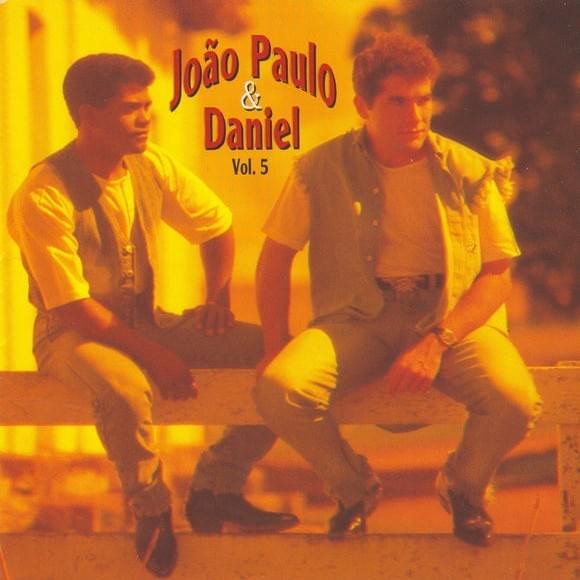
 View Artist