Song Meaning
The lyrics paint a stark picture of heartbreak, with the narrator drowning in tears since a loved one's departure. There's an immediate sense of overwhelming sorrow, a "pranto que não tem mais fim," directly linked to the absence of the person they desperately tried to keep. The core conflict emerges from the painful realization that love and friendship can't coexist in this situation, leaving the narrator adrift and questioning their next steps: "E sem você o que eu faço agora."
The central tension lies in the stark contrast between past passion and present desolation. Memories of "fogo e paixão" are juxtaposed with a life now described as "tão fria" and a home "sempre tão vazia." This emotional whiplash fuels the narrator's desperate plea for their return, hoping they can "esquentar de vez meu coração."
The recurring motif of "saudade" isn't just sadness; it's a consuming force. The lyrics describe it as a "fogo ardendo" within the chest, a suffering that "vai morrendo aos poucos." This internal fire, paradoxically born from absence, threatens to drive the narrator "louco," highlighting the intense, almost physical pain of longing.
What makes these lyrics hit so hard is their raw, unvarnished expression of loss. The directness of the language, the simple yet powerful imagery of coldness and emptiness, and the desperate plea for a moment's relief all combine to create a potent portrait of a heart consumed by absence. The writing doesn't shy away from the overwhelming nature of this "saudade," making the narrator's suffering palpable.
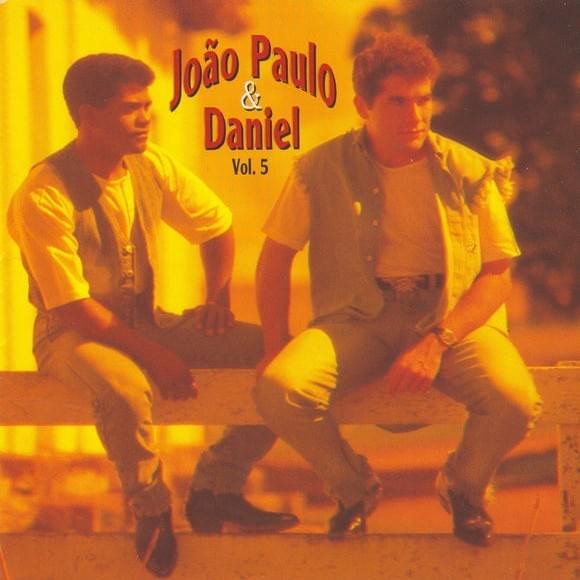
 View Artist