Song Meaning
The narrator grapples with a self-inflicted romantic downfall, admitting fault for misinterpreting a situation. The opening lines paint a picture of escapism, where dreams pull one away from reality and into the heart's deceptive traps. This leads to a willful ignorance of the truth, a theme that quickly gives way to a stark self-indictment.
The core tension lies in the narrator's internal blame. Phrases like "Fui eu que estraguei tudo" and "Fui eu o meu oróprio vilão" hammer home a sense of personal responsibility for the relationship's failure. It wasn't external forces, but the narrator's own actions and imagination that sabotaged the connection.
A particularly sharp metaphor emerges with the "boi" and "boiada" imagery. The narrator possessed a significant opportunity – a "bull" – but mistakenly believed they had an entire herd. This highlights a profound miscalculation, mistaking a substantial but singular affection for a vast, overwhelming abundance of love. The contrast between having "um boi" and thinking it was "uma boiada" perfectly captures this delusion.
This self-awareness, though painful, is what gives the lyrics their impact. The narrator acknowledges the other person's potential interest but also their clear lack of explicit commitment. The final lines, "Fui fundo nesse amor sozinho / E sozinho vou voltar," underscore the solitary nature of the narrator's investment and their inevitable return from this one-sided pursuit. It’s a poignant reflection on the consequences of unchecked romantic projection.
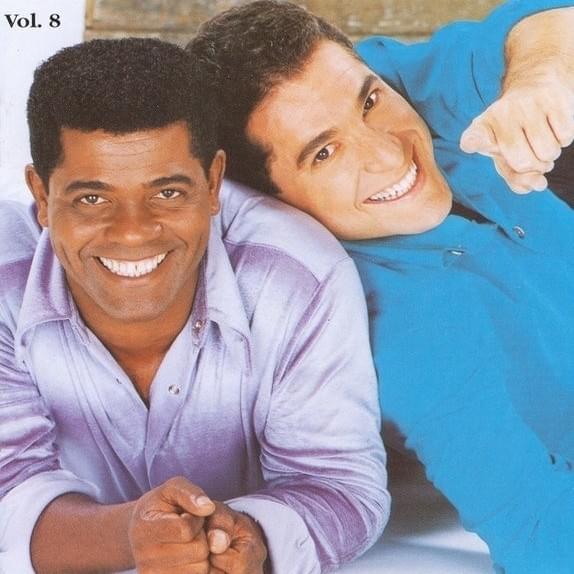
 View Artist