Song Meaning
This track paints a stark picture of post-breakup despair, where the remnants of a past relationship become tangible sources of pain. The narrator is haunted by memories, from the scent of a lover's perfume on the bed to a full-length photograph left behind, which now represents "my piece of despair." The everyday becomes a minefield; even a song on the radio triggers an overwhelming emotional response, driving the narrator to seek solace, or perhaps oblivion, at a bar.
The central tension lies in the futile attempt to escape the pain through alcohol. The narrator repeatedly asks the bartender for more drinks, trying to drown out memories of a "fake love." This cycle of drinking and crying, fueled by a specific song, highlights the destructive coping mechanism. The lyrics suggest a deep-seated loneliness that even excessive drinking can't fill, with the narrator admitting, "drinking all of it, I still think it's not enough."
The writing cleverly uses sensory details and repetition to amplify the feeling of loss. The "perfume" and the "taste of loneliness" create a direct contrast, showing how intimacy can curdle into sorrow. The repeated phrase "Não posso ouvir no rádio" (I can't listen on the radio) emphasizes how pervasive the memories are, and how even passive consumption of media becomes an act of self-torture. The narrator's growing notoriety at the bar, becoming "well-known" for his sorrow, is a bitter irony – his pain has become his public identity.
Ultimately, the effectiveness of these lyrics stems from their raw, unvarnished portrayal of heartbreak. The narrator isn't seeking grand pronouncements but is trapped in a mundane, yet agonizing, reality. The specific images – the photo, the bar, the song – ground the overwhelming emotion, making the despair feel immediate and deeply personal. It's the quiet desperation of trying to forget someone who has left an indelible, painful mark on everything.
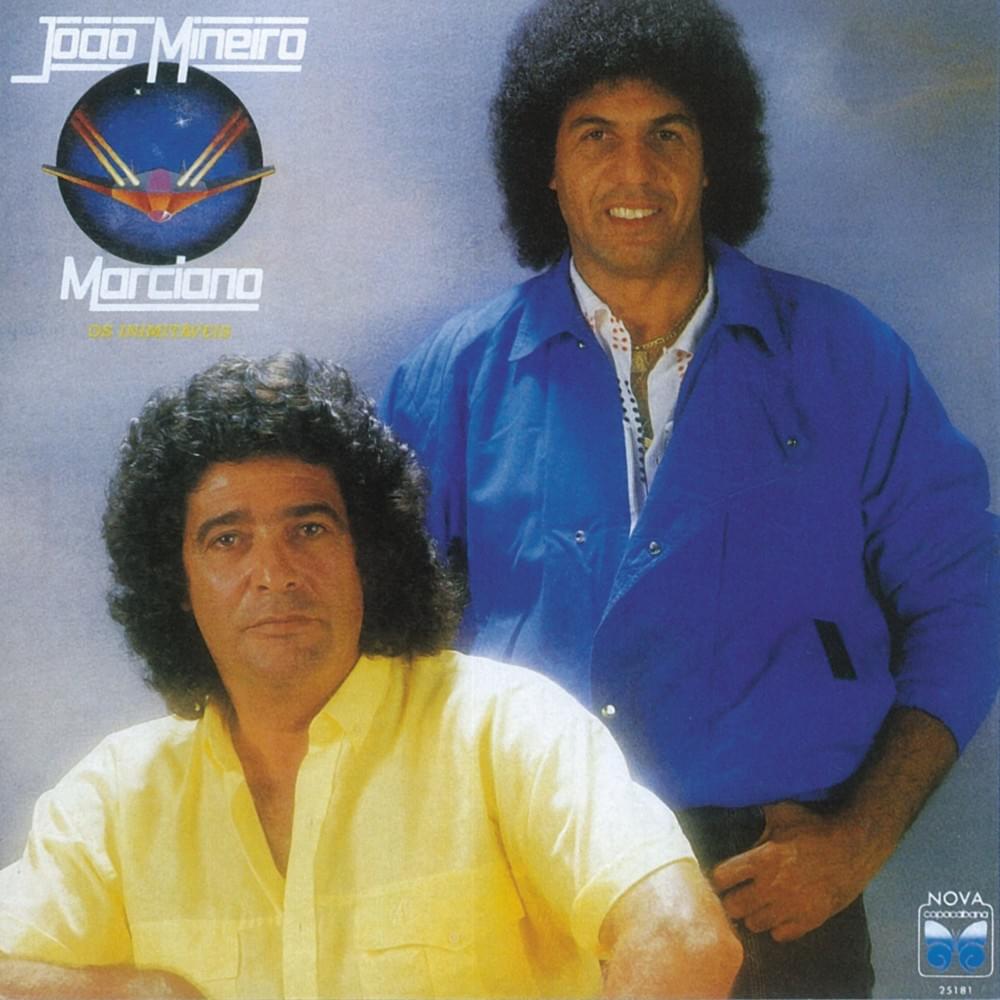
 View Artist