Song Meaning
{"song_id": 14409018, "meaning": "João Gilberto's \"Saudade Da Bahia\" isn't just a postcard from Brazil; it's a raw, melancholic plunge into regret and the bittersweet ache of longing. The song's meaning centers on the profound feeling of 'saudade' – a Portuguese term that encapsulates nostalgia, yearning, and a sense of something irretrievably lost. Gilberto uses Bahia, his home, as the focal point for this emotional exploration, but the sentiment resonates far beyond geographical boundaries. It speaks to the universal human experience of looking back and wishing we'd heeded the wisdom of our elders. The opening lines, \"Ah, mas que saudade eu tenho da Bahia / Ah, se eu escutasse o que mamãe dizia,\" immediately establish this theme of regretful nostalgia.
The lyrics weave a narrative of defiance against maternal advice, driven by youthful impulsiveness (\"A gente faz o que o coração dita\"). However, the singer laments this rebellion in retrospect, acknowledging the \"maldade e ilusão\" (evil and illusion) of the world that his mother warned him about. This isn't a simple admission of error; it's a deeper recognition of the inherent vulnerability of the human condition. The plea for empathy – \"Ponha-se no meu lugar / E veja como sofre um homem infeliz\" – transforms the song from personal lament to a shared experience of suffering and disillusionment.
Ultimately, \"Saudade Da Bahia\" finds its power in exposing vulnerability. Gilberto isn't afraid to portray himself as a \"pobre coração\" (poor heart), someone who has learned a difficult lesson through experience. The song’s lyrical analysis reveals a journey from youthful independence to mature reflection, underscored by the inescapably human need for connection and confession. The saudade isn't just for a place; it's for a time when things were simpler, when a mother's advice seemed restrictive rather than protective, and when the world hadn't yet revealed its capacity for disappointment. In its essence, the song meaning resides in a quiet, painful awareness of life's inevitable losses and the enduring power of memory."}
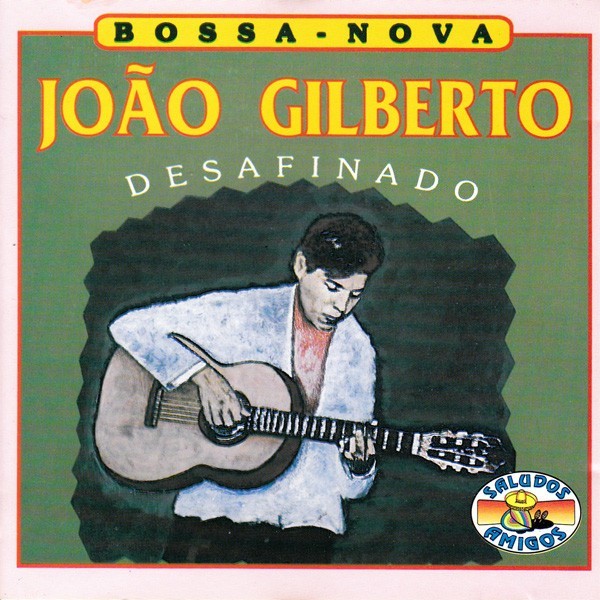
 View Artist