Song Meaning
{"song_id": 14409024, "meaning": "João Gilberto's \"É Luxo Só\" isn't just a breezy samba; it's a study in desire, objectification, and the intoxicating, yet potentially destructive, power of beauty. The lyrics immediately establish the mulata as an object of opulent fascination. \"É luxo só\" translates to \"it's pure luxury,\" and the song luxuriates in describing her dance. But the repetition of this phrase, while celebratory, hints at a certain distance. She's admired, perhaps even worshipped, but also kept at arm's length – a spectacle rather than a person.
The undercurrent of something darker surfaces quickly. The lyrics note she has \"um não sei quê / Que faz a confusão\" – an indefinable something that causes chaos. This isn't innocent admiration; it's a recognition of the disruptive force of her allure. More damningly, \"O que ela não tem meu Deus / É compaixão\" – \"what she doesn't have, my God, is compassion.\" This line is crucial. It suggests the narrator feels vulnerable, potentially hurt by her indifference. He acknowledges her captivating power but also implies a lack of empathy, turning her into a kind of femme fatale figure within the samba rhythm.
The final verse, with its insistent \"cai pra lá, cai pra cá\" (\"fall this way, fall that way\") and the plea to \"mexe com as cadeiras, mulata / E o requebrado me maltrata, ai ai\" (\"move your hips, mulata / and your swaying hurts me\"), seals the dynamic. The samba beat becomes almost aggressive, mirroring the narrator's internal conflict. He's both drawn to and tormented by her dance. The pain isn't literal, of course; it's the ache of unrequited desire, the sting of knowing he's just another captivated observer in her wake. The song cleverly uses the joyous exterior of samba to explore a more complex and unsettling emotional landscape."}
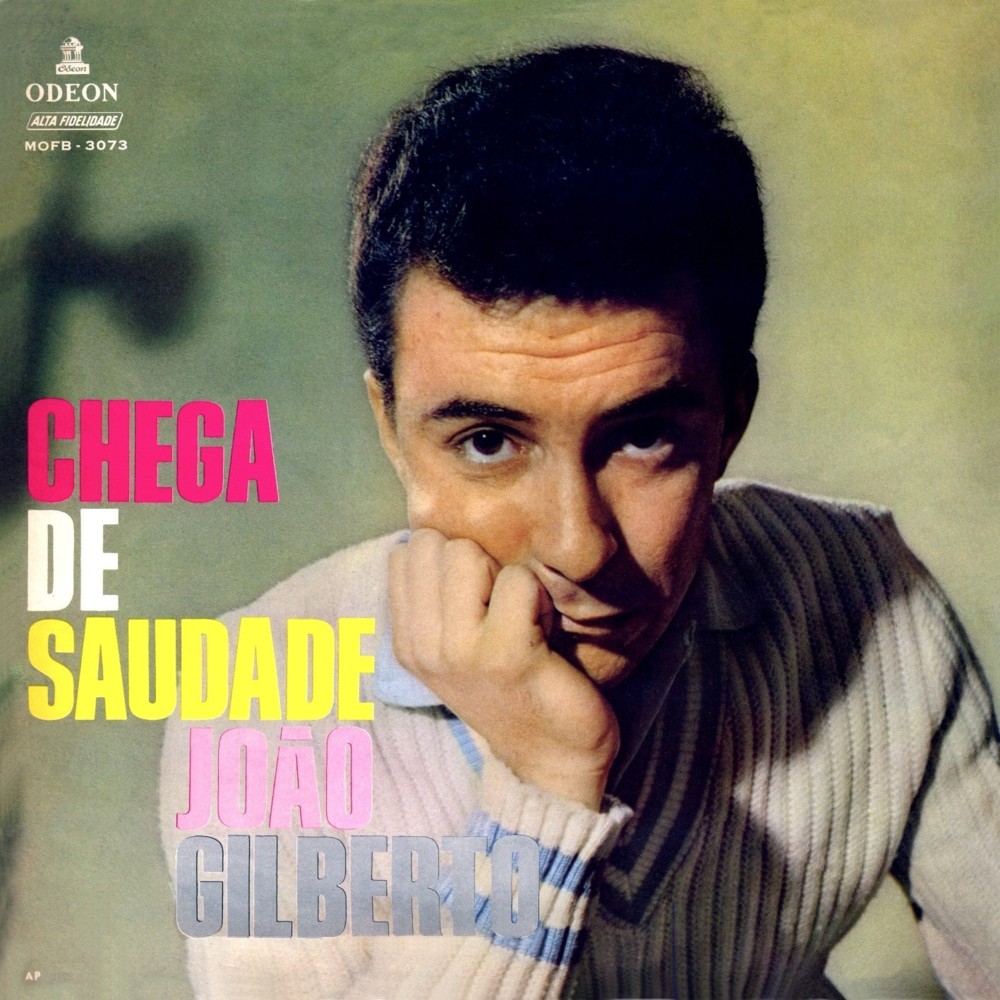
 View Artist