Song Meaning
{"song_id": 14409021, "meaning": "João Gilberto's \"Discussão\" isn't merely a song; it's a masterclass in emotional intelligence, delivered with the understated grace that defined his bossa nova genius. The track dissects the futility of arguing for argument's sake, a habit that corrodes relationships and leaves only emptiness in its wake. Gilberto, through the lyrics, pinpoints the central flaw in such debates: the prioritization of ego over genuine connection. It's a cold calculation, where 'winning' becomes the sole objective, blinding participants to the collateral damage inflicted on the human heart. This isn't just about disagreements; it’s about the subtle art of choosing connection over conflict. The lyrics deftly expose the inherent loneliness in prioritizing being right over being empathetic.
The brilliance of \"Discussão,\" and its exploration of song meaning, lies in its simplicity. Gilberto doesn't preach; he observes. He contrasts the sterile victory of winning an argument with the warmth of heartfelt understanding. The lyrics, particularly the lines about the heart speaking and the preference for losing over winning, encapsulate this philosophy. It's a gentle nudge towards recognizing that some battles aren't worth fighting, especially when the cost is intimacy and trust. The song subtly dismantles the ego-driven impulse to always be right, suggesting that true strength lies in vulnerability and the willingness to concede.
Ultimately, \"Discussão\" serves as a potent reminder that human relationships thrive on empathy, not dominance. Gilberto’s musical wisdom suggests that choosing connection over the fleeting satisfaction of winning an argument is the only path towards avoiding the desolation of loneliness. The song's quiet power rests in its ability to expose the often-unconscious motivations that drive us into pointless conflicts, urging us to seek deeper, more meaningful interactions instead. In essence, the 'discussão' itself becomes the subject, a cautionary tale against prioritizing the 'eu' over 'nós' (us)."}
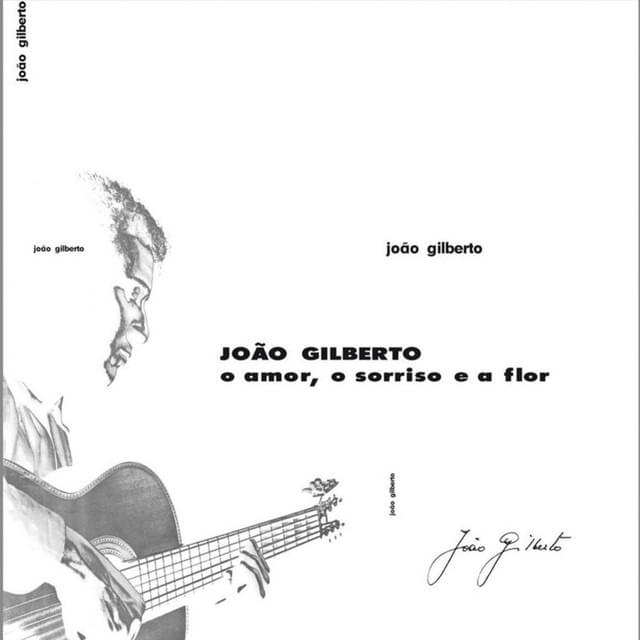
 View Artist