Song Meaning
João Gilberto's rendition of "Bésame Mucho" isn't just a song; it's an intimate plea whispered against the relentless backdrop of time. The song meaning, distilled to its core, revolves around the raw, almost primal fear of loss and the desperate attempt to hold onto a fleeting moment of connection. It's a universal sentiment, amplified by Gilberto's understated delivery, transforming a simple request – "Kiss me, kiss me much" – into a profound exploration of human vulnerability. The urgency in the lyrics isn't about mere physical affection; it's about etching a memory so vividly that it can withstand the inevitable erosion of time and distance. It speaks to our inherent anxiety about impermanence, the gnawing feeling that everything we cherish is ultimately transient.
The phrase "como si fuera esta noche la última vez" (as if tonight were the last time) acts as both a motivator and a lament. It suggests a conscious awareness of the fragility of relationships, the understanding that every encounter could potentially be the final one. This isn't just romantic longing; it's existential dread cloaked in the language of love. The repetition of "Que tengo miedo a perderte" (That I'm afraid of losing you) further underscores this anxiety, revealing a deep-seated insecurity and a desperate need for reassurance. The lyrics become a mantra, a desperate attempt to ward off the impending sense of separation.
While many interpretations of "Bésame Mucho" focus on romantic love, Gilberto's version, through its inherent saudade, hints at a broader, more philosophical unease. It's about the human condition itself – our constant struggle against the relentless march of time and the inevitable loss that accompanies it. The simple act of a kiss becomes a symbolic gesture, a defiant act against the forces that threaten to pull us apart. It's a reminder to savor the present, to fully immerse ourselves in the moment, because, as the song subtly suggests, tomorrow is never guaranteed.
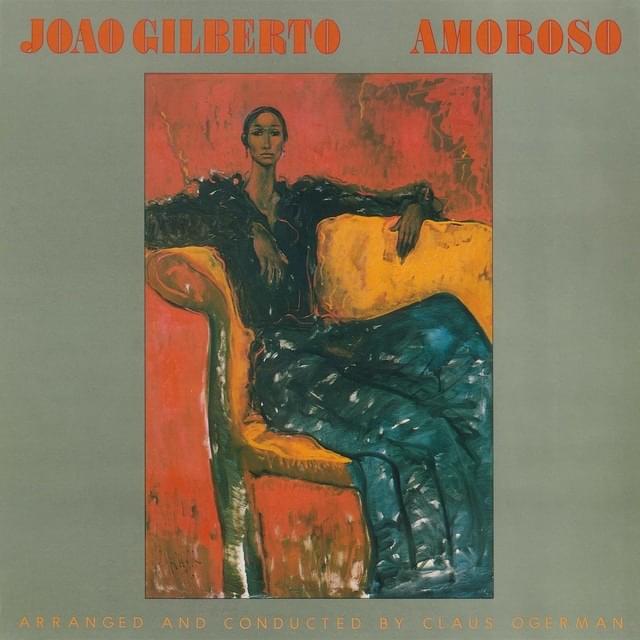
 View Artist