Song Meaning
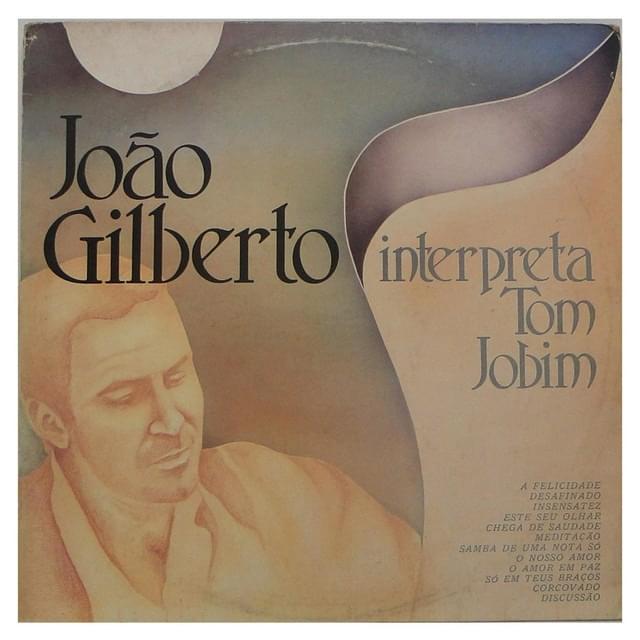
{"song_id": 14410152, "meaning": "João Gilberto's \"A Felicidade\" isn't just a breezy bossa nova; it's a philosophical meditation on joy's fleeting nature, viewed through a Brazilian lens. The opening lines establish the central paradox: \"Sadness has no end, happiness, yes...\" Gilberto immediately frames happiness as finite, a stark contrast to the seemingly infinite capacity for sorrow. The imagery that follows reinforces this transience. Happiness is a feather carried by the wind, beautiful in its flight but utterly dependent on external forces to remain aloft. This speaks to the precariousness of joy, especially for those living in circumstances where it's easily disrupted. The \"lyrics analysis\" reveals the song's emotional core.
The \"song meaning\" dives deeper when Gilberto introduces the metaphor of Carnival. He equates the poor man's happiness to the \"great illusion of Carnival,\" a moment of escapist fantasy meticulously constructed throughout the year, only to vanish with Ash Wednesday. The costumes of kings, pirates, and gardeners symbolize the temporary roles we play in the pursuit of happiness, roles that ultimately crumble under the weight of reality. This isn't mere cynicism, however. Gilberto acknowledges the value of that fleeting joy, even as he underscores its impermanence. There is a quiet dignity in the effort to create happiness, even if it is destined to fade.
Later, the dewdrop on a flower petal becomes another symbol – brilliant, still, and then vanishing like a tear of love. The personal enters the equation as Gilberto describes his happiness as \"dreaming in the eyes of my girlfriend.\" This intimate moment, however, is also threatened by the passage of time (\"like the night passing, passing in search of dawn\"). The plea to \"speak low, please\" so she awakens joyfully underscores the fragility of the moment. Ultimately, \"A Felicidade\" is a poignant exploration of how joy exists not as a constant state, but as a precious, ephemeral experience to be cherished in its brief existence, a truth universally felt but acutely articulated within the Brazilian cultural context."}
 View Artist