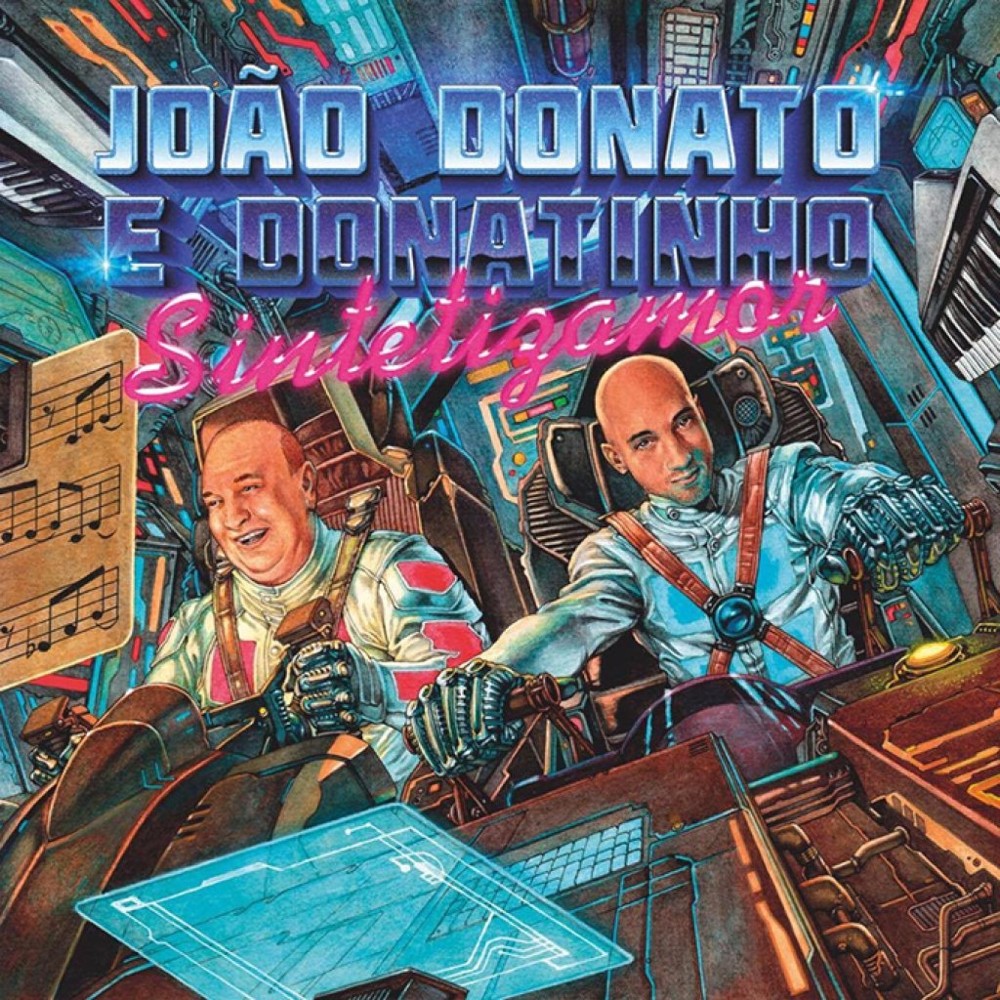
Song Meaning
João Donato's "Quem é Quem" presents a deceptively breezy surface that belies a core of existential questioning. The opening verses, a litany of exotic locales and culinary touchstones from Belém do Pará, establish a vivid sense of place, a grounding in the concrete. Yet, this grounding feels almost like a distraction, a vibrant prelude to the impending storm signaled by the refrain. The lyrics suggest a looming threat ("Logo mais as bombas vão começar"), a sense of inevitable chaos on the horizon. This impending doom throws the present into sharp relief, forcing a confrontation with identity and purpose. Hence, the crucial question: "Até lá, quem é quem?"
The repeated refrain becomes a kind of desperate mantra. While hope flickers ("O amor vai conseguir superar"), it's deferred, pushed off to "mês que vem" (next month). This postponement is key. It highlights the precariousness of the present, a holding pattern where authenticity is tested. The plea to "Deixa de cara de passagem / Para com tanta sabotagem" implies a world saturated with pretense and self-destruction, where genuine connection is constantly undermined. The song's meaning hinges on this tension between impending disaster and the struggle to maintain integrity in the face of it.
Ultimately, "Quem é Quem" refuses easy answers. The final lines, "Ser feliz não é razão de existir / Afinal," deliver a jarring twist. Donato seems to reject the conventional pursuit of happiness as a defining principle. This isn't a descent into nihilism, but rather a call for something deeper, a search for meaning beyond fleeting pleasure. The song meaning, therefore, circles back to the initial question of identity. In a world teetering on the brink, where happiness proves insufficient, the question of "who is who" becomes not just a matter of social positioning, but a fundamental inquiry into the very essence of being.