Song Meaning
The lyrics paint a vivid picture of a legendary figure, the "navigante negro" (black navigator), who reappeared in Guanabara Bay as a "bravo feiticeiro" (brave sorcerer). This character, imbued with the dignity of a "mestre sala" (a ceremonial figure in Brazilian Carnival), is celebrated by diverse groups upon his arrival. The scene is set during regattas, a festive maritime event, where his presence sparks joy and recognition.
The narrative then shifts to a darker, more visceral imagery, contrasting the celebratory welcome with the brutal reality of slavery. "Rubras cascatas jorravam das costas / Dos santos entre cantos e chibatas" (Red waterfalls streamed from the backs / Of the saints amidst songs and whips) powerfully evokes the suffering endured by those in the "porão" (hold). This suffering, however, fuels a defiant spirit, mirroring the navigator's own charisma and leading to a collective cry of "Glória!" (Glory!).
The repeated refrain, "Glória aos piratas, às mulatas, às sereias / Glória à farofa, à cachaça, às baleias" (Glory to the pirates, the mulattas, the mermaids / Glory to farofa, to cachaça, to the whales), is a masterful stroke of lyrical craft. It elevates seemingly disparate elements – from the marginalized (pirates, mulattas) to the elemental (whales) and the everyday (farofa, cachaça) – into a unified anthem of resilience and defiance. This juxtaposition suggests a celebration of all aspects of life, particularly those that have been historically overlooked or oppressed.
Ultimately, the lyrics find their power in this defiant glorification. The "navigante negro" becomes a symbol not just of individual bravery but of collective memory and resistance. His monument isn't stone, but "as pedras pisadas do cais" (the trodden stones of the quay), grounding his legacy in the very ground where hardship and celebration have converged, emphasizing that true remembrance lies in acknowledging all struggles, "lutas inglórias" (inglorious fights), that shape history.
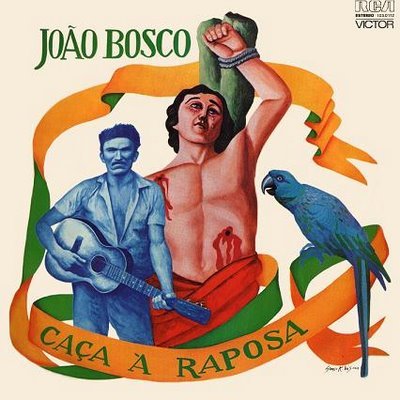
 View Artist