Song Meaning
These lyrics plunge us into a frantic scene at a local store, where a simple errand quickly devolves into chaos. The narrator seeks ingredients for a desperate, homemade remedy—"pinga e pimentão" for a "xarope noventa" meant to cure both hunger and lung ailments. But this quest for survival is immediately thwarted, setting a tone of urgent frustration and unexpected danger.
The central tension ignites when the clerk, contemptuously labeled "caxeiro-cachorro!" (clerk-dog), steals the narrator's money. His cynical excuse, blaming "Dona Inflação" (Ms. Inflation), highlights a systemic problem through a personal slight. The narrator's defiant "Essa não, seu Leitão!" (Not this, Mr. Pig!) escalates the conflict, leading to a swift, intimidating response as "Os home arriaro a porta de aço" (the men lowered the steel door), trapping the narrator in a suddenly hostile environment.
The craft here is striking, particularly the visceral animal imagery that permeates the narrative. The clerk is first a "dog," then a "pig" ("Leitão"), embodying greed and low cunning. The security forces are described as bristling "mais que porquispim" (more than a porcupine), conveying their sharp, threatening presence. In a poignant twist, the narrator, in their desperate escape, also runs "como um cão" (like a dog), blurring the lines between oppressor and oppressed, suggesting a shared, debased struggle for survival.
What makes these lyrics so effective is their raw, colloquial language and the rapid, almost absurd escalation of events. The mundane act of buying groceries transforms into a life-or-death chase, underscoring the precariousness of the narrator's existence. This blend of the everyday with sudden violence, grounded in specific, vivid details, creates a powerful and unforgettable snapshot of desperation and defiance.
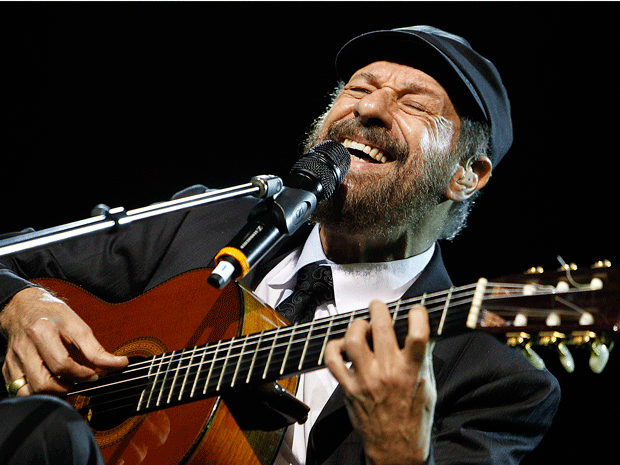
 View Artist