Song Meaning
These lyrics paint a vivid portrait of a speaker grappling with their own contradictions and the unpredictable nature of existence. Born from "the bottom of a wishing well," the narrator views the world as a "fabric of surprises." This opening immediately sets a tone of both destiny and uncertainty, hinting at a life shaped by both desire and unexpected turns.
A central tension emerges from the stark contrast between night and day. While the speaker admits to being "in love, especially when drunk" at night, mornings bring a harsh reality, as they "hit the road that leads to a toxic city." This shift suggests a struggle between escapist romance and the draining demands of daily life, where even an "anarchist" must "pay installments for a view," highlighting the compromises inherent in modern existence.
The speaker's identity is fluid and often contradictory, shifting between powerful and powerless roles. They are "sometimes a fire thief," evoking a rebellious, creative spirit, yet also "sometimes a prisoner of some game." This internal tug-of-war is further emphasized by the declaration "I think of peace, I live war," revealing a constant battle between ideals and reality, or perhaps within the self.
Ultimately, the lyrics find their emotional anchor in a defiant acceptance of internal struggles. The repeated assertion, "Whatever it may be, I'm not afraid of the howls of the ghosts of myself," powerfully conveys a resilience in the face of inner demons. This refusal to fear one's own past or psychological burdens makes these lyrics resonate, portraying a character who, despite their shifting roles and internal conflicts, stands firm in their self-awareness.
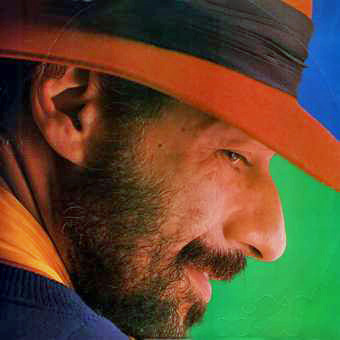
 View Artist