Song Meaning
This track paints a vivid picture of a humble musician whose small instrument, the cavaquinho, belies its immense power. The opening lines immediately establish a contrast: the simple act of picking up the cavaquinho leads to trouble, suggesting its presence is provocative or misunderstood. The narrator hints at a deeper, unbelievable story about the instrument's capabilities, setting up an intriguing mystery.
The core tension lies in the cavaquinho's dual nature. It's described as capable of inflicting pain, "dói que nem punhal" (hurts like a dagger), and inciting chaos, "um pega na geral" (a general commotion). This suggests the music or the act of playing it can provoke strong, even aggressive reactions from others. The repetition of these lines emphasizes the consistent, potent effect the cavaquinho has.
The lyrics then shift to a more personal, almost defiant stance. The narrator uses the cavaquinho as a shield and a weapon against perceived injustices. The line "Veneno é com o meu cavaquinho" (Poison is with my cavaquinho) is particularly striking, implying the instrument is the source of his strength or his retribution. When someone "pisa no meu calo" (steps on my heel), he turns to the cavaquinho, ready to confront the world.
What makes these lyrics so effective is their raw, unvarnished portrayal of pride and self-defense centered around a seemingly innocuous object. The cavaquinho isn't just an instrument; it's an extension of the narrator's identity and his resilience. The writing uses sharp, almost confrontational imagery to convey how this small instrument empowers him to face down adversity and provoke a strong, albeit sometimes negative, reaction from his surroundings.
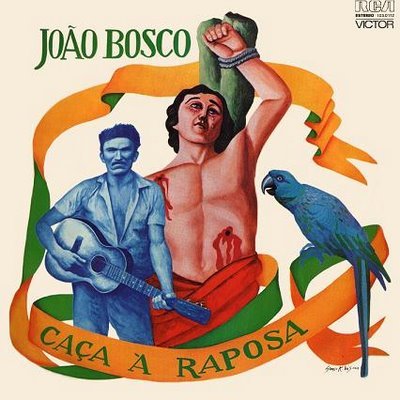
 View Artist