Song Meaning
The narrator is in the painful throes of a breakup, but instead of pleading for the other person to stay, they're paradoxically urging them to leave, even as they admit their own desire for the person to remain. The scene is set with a quiet, almost tender request to "close the door slowly," immediately followed by the stark, contradictory command to "open your arms to fly," emphasizing a forced, painful separation. This internal conflict fuels the entire narrative, a desperate push-and-pull between letting go and holding on.
The core tension lies in the narrator's possessive pride and lingering affection, even as they claim to be moving on. They assert a unique, irreplaceable connection, stating, "Nobody loved you, nor will love you like this." This isn't just about sadness; it's about a deep-seated belief that they alone truly understood and cherished the other person, a sentiment they expect will haunt the departing lover. The lyrics suggest a desire to be remembered not just fondly, but as an indelible mark on the other's future relationships.
The most striking craft element is the narrator's assertion of intimate knowledge and ownership over the other person's being. They declare, "You are the book that only I know how to read, because I had time to memorize you." This metaphor transforms the relationship into a text, implying a level of deep understanding and memorization that no one else could possibly replicate. It’s a powerful, almost clinical claim of possession, even as they push the person away, suggesting that this deep knowledge makes them unforgettable.
This lyrical construction is effective because it taps into the complex emotions of a breakup: the sting of rejection, the need to assert one's value, and the lingering hope of being remembered. The narrator’s contradictory actions—telling someone to leave while simultaneously detailing how they’ll be missed—create a raw, relatable portrayal of heartbreak. The specific imagery of being a memorized book and the promise of future encounters where the departed will still feel the narrator's presence, even with someone new, makes the pain feel visceral and enduring.
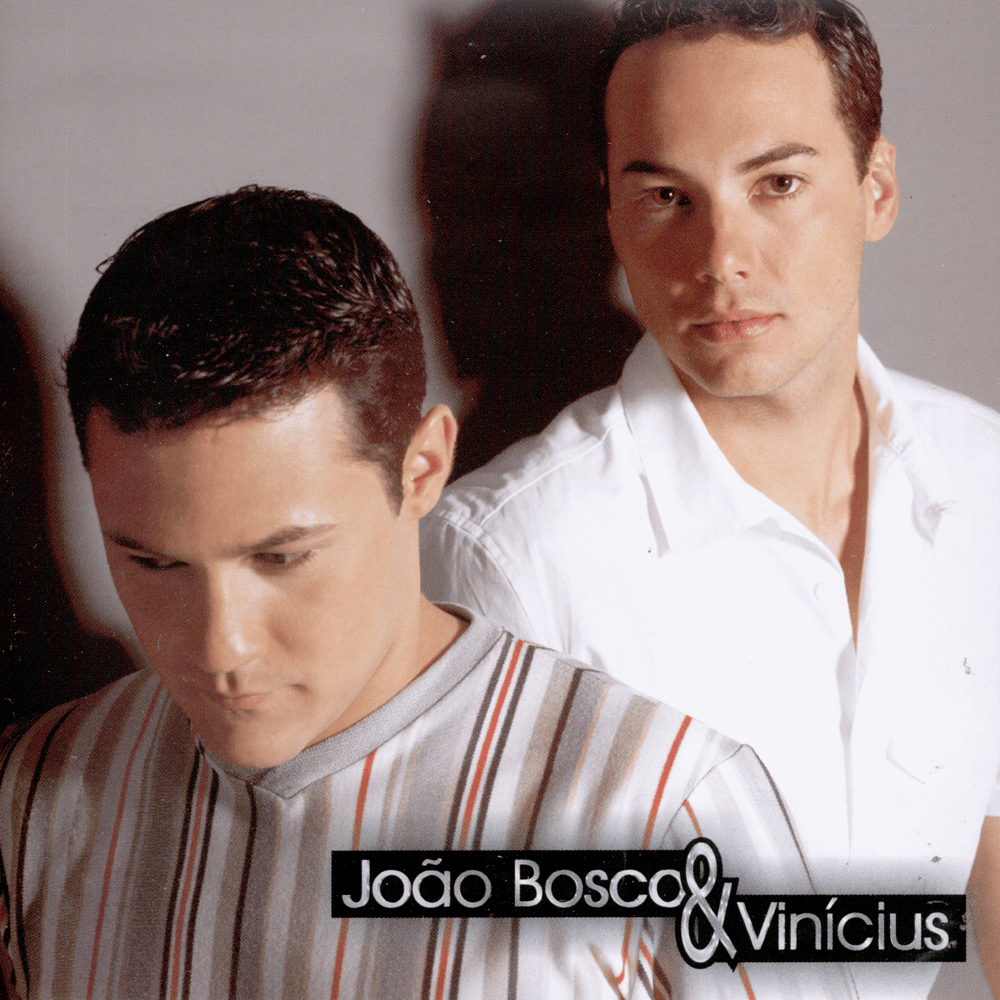
 View Artist