Song Meaning
The narrator is caught in a dizzying cycle of confusion and longing, desperately trying to decipher a lover's mixed signals. There's a palpable sense of being played, with the narrator questioning if the affection received is genuine or merely a performance. The repeated question, "O que será?" (What could it be?), sets a tone of anxious uncertainty from the outset, highlighting a profound disconnect in communication.
The core tension arises from the lover's inconsistent behavior: giving a phone number but then not answering calls, leading to a spiral of despair. This push-and-pull dynamic fuels the narrator's suspicion, making them wonder if the object of their affection is truly the one they desire or a "bandida" (a rogue, a cheat). The narrator's internal struggle is evident as they grapple with the possibility that everything they believed might be a lie, particularly the sincerity perceived in the lover's eyes.
The most striking aspect of the lyrics is the plea to stop treating love as a "jogo de faz de conta" (a game of make-believe). This phrase encapsulates the narrator's fear that the entire relationship is a charade, lacking authentic feeling. The repetition of "Não, não pode ser" (No, it can't be) underscores a desperate attempt to reject this painful reality, even as the evidence mounts. The feeling of being "de cabeça tonta" (dizzy) perfectly captures the disorienting effect of this emotional manipulation.
Ultimately, the effectiveness of these lyrics lies in their raw portrayal of vulnerability and the gut-wrenching experience of potential betrayal. The simple, direct language and the recurring questions create an immediate sense of empathy for the narrator's plight. It’s the stark contrast between the narrator's deep emotional investment and the perceived superficiality of the lover's actions that makes the plea to "faz de conta" so resonant and heartbreaking.
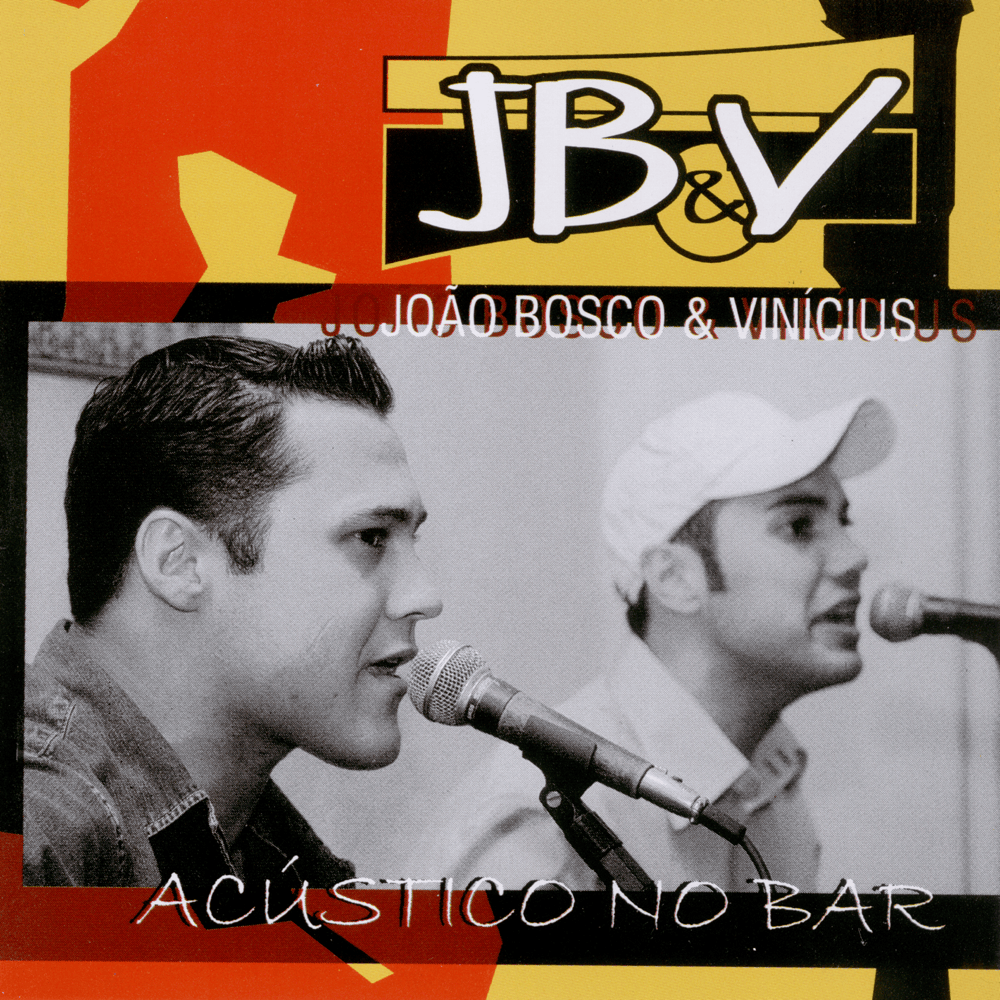
 View Artist