Song Meaning
The lyrics paint a picture of someone trapped in a cycle of inaction and superficiality, symbolized by a game of musical chairs. The opening lines, "Quem fala se a voz se cala / Contam-se as horas / Falta-me o ar," immediately establish a sense of suffocation and lost time, suggesting a speaker who feels silenced or unable to express themselves. This is amplified by the feeling of being physically constrained: "Sentada sou quebrada / Se me levanto perco o lugar," which highlights the fear of losing one's position if they dare to move or change.
The central tension lies in the conflict between the desire for genuine happiness and the passive acceptance of a flawed system. The repeated phrase "O jogo nada te traz / Nada te faz feliz" directly confronts the futility of this "game," yet the narrator admits, "Sou cobarde / Dão-me o feriado / Vou celebrar." This reveals a deep-seated fear that prevents them from breaking free, opting instead for temporary distractions and a forced celebration of a holiday, perhaps as a way to avoid confronting the emptiness.
The most striking aspect of the craft is the stark imagery of the "cadeira" (chair) and its dual function: "A cadeira é p'ra sentar / A cadeira é p'ra sentar." This repetition emphasizes the static nature of the situation, where the chair is meant for passive occupation rather than progress. The contrast between "sentada sou quebrada" and the implied need to stay seated creates a powerful sense of internal conflict, where stability comes at the cost of one's own well-being. The line "Cão que ladra não se enquandra, não" further suggests that those who make noise or protest are excluded, reinforcing the pressure to remain silent and compliant.
Ultimately, these lyrics resonate because they capture the quiet desperation of feeling stuck in a situation that offers no real fulfillment. The narrator's admission of cowardice and their choice to "celebrar" despite knowing the game is hollow is a poignant portrayal of the human tendency to seek comfort in the familiar, even when it's detrimental. The writing effectively uses the metaphor of a game to illustrate a profound sense of personal paralysis and the struggle between the desire for change and the fear of consequence.
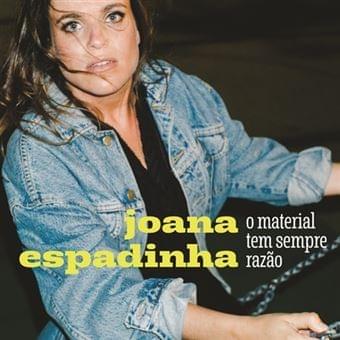
 View Artist