Song Meaning
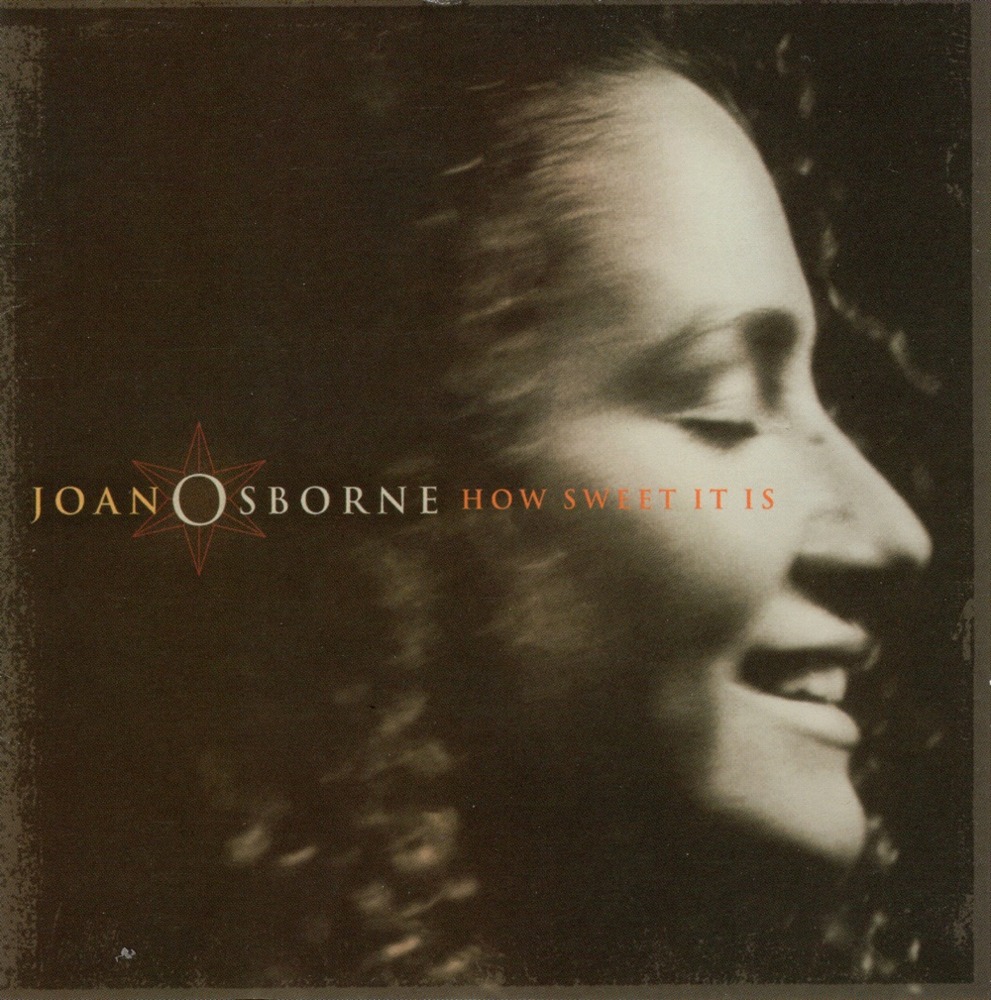
Joan Osborne's interpretation of "These Arms of Mine" strips Otis Redding's original down to its raw emotional core, amplifying the vulnerability inherent in the lyrics. While Redding's version simmers with a soulful longing, Osborne's rendition exposes the almost desperate need for connection. The repetition of "lonely, lonely, and feeling blue" isn't just a description; it's a window into a state of profound isolation. The yearning isn't just physical; it speaks to a deeper hunger for emotional intimacy. Osborne's bluesy inflection imbues the repeated lines with a palpable sense of craving, heightening the listener's awareness of the speaker's exposed nerve endings. It's more than just wanting; it's a primal need laid bare. This is the song meaning in its purest form: unadulterated desire.
The bridge offers a crucial insight into the speaker's psyche. It transcends mere physical longing, revealing a craving for reciprocal care and validation. The plea to "be my man, just be my lover" underscores a yearning for commitment and emotional security, a desperate need for someone to "treat me right." The subsequent lines, emphasizing the need for someone to hold her and kiss her, highlight the importance of physical affection as a manifestation of deeper emotional connection. In essence, "These Arms of Mine," in Osborne's capable hands, becomes a testament to the universal human need for love, affection, and the solace of belonging. The lyrics analysis reveals not just a desire for physical intimacy, but a profound hunger for emotional fulfillment.
Osborne's interpretation also subtly highlights the power dynamics inherent in expressions of desire. The repeated phrase "if you would let them hold you" positions the speaker in a state of supplication, dependent on the other person's willingness to reciprocate. This vulnerability, amplified by Osborne's haunting vocals, transforms the song from a simple expression of longing into a poignant exploration of the risks and rewards of emotional exposure. The burning, yearning, wanting becomes less about the object of affection and more about the internal state of the one who desires, a raw and honest portrayal of the human condition.
 View Artist