Song Meaning
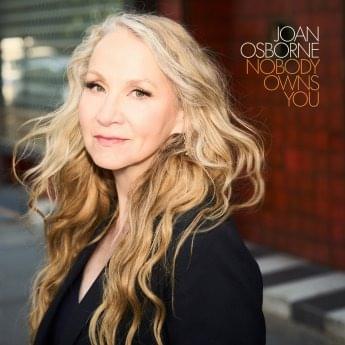
Joan Osborne's "Nobody Owns You" isn't just a catchy assertion of independence; it's a stark reminder of the insidious ways we surrender autonomy, often without realizing it. The song's genius lies in its comprehensive scope, dismantling the illusion of ownership across various relationships: love, authority, financial dependency, and even familial bonds. Osborne's lyrics don't shy away from the uncomfortable truth that even those who claim to care deeply can exert control, whether through manipulation, guilt, or the weight of past sacrifices. The repeated refrain, "Nobody owns you," becomes a mantra, a defiant whisper against the forces that seek to define and confine us. It's a call to reclaim the self, to recognize the inherent freedom that exists despite external pressures.
Osborne masterfully uses contrasting imagery to underscore this message. The verses catalogue the chains – the "one who pays," the "mother who has given you her yesterdays," the one who "held you down." Juxtaposed against these are the liberating choruses, filled with metaphors of natural freedom: "as free as an October breeze," "as free as the wind in the street," "as free as the light in the trees." This contrast highlights the potential for liberation that exists alongside the constraints, a potential that can be realized through a conscious act of self-assertion. The lyrics imply a process of awakening, urging the listener to "get up off your knees" and "stand up on your feet." This isn't merely about physical posture; it's about assuming a position of strength and self-respect, refusing to be subservient to anyone's expectations or demands.
The true genius behind the song meaning resides in how Osborne touches upon the psychological complexities of ownership. It's not just about overt control; it's about the subtle ways we internalize the expectations and desires of others, allowing them to dictate our choices and limit our potential. The lines referencing a "little bargain" signed "when you held their wrist" speaks volumes about the unspoken contracts we enter into, often unconsciously, in our relationships. These bargains, driven by a need for approval or a fear of abandonment, can lead us to sacrifice our own needs and desires. "Nobody Owns You" serves as a potent antidote, urging us to question these bargains and to reclaim ownership of our lives. The song resonates as a powerful reminder that true freedom lies in recognizing and rejecting the subtle chains that bind us, allowing us to embrace our authentic selves.
 View Artist