Song Meaning
These lyrics open with a cascade of widely accepted truths and hopeful maxims, painting a picture of a world brimming with meaning and potential. From the immortality of ideas to divine oversight and the power of faith, each line builds a case for a life that should be anything but dull. It's a setup that feels almost like a philosophical thought experiment, laying out all the reasons why existence should be vibrant.
The central tension here is the stark contrast between these grand pronouncements and the narrator's bewildered final question. The lyrics suggest a world where humanity is blessed with purpose, opportunity, and even supernatural aid. Yet, this rich tapestry of meaning is abruptly undercut by a simple, almost childlike query that exposes a profound societal disconnect: "per què la gent S'avorreix tant?"
The craft here is all about the build-up and the punchline. The repeated phrase "Si és veritat que" (If it's true that) acts like a drumbeat, accumulating evidence for a meaningful existence. The language used for these truths — "man can die, but never the Idea," "faith moves mountains," "work dignifies" — is grand and definitive. This makes the mundane, almost absurd question of boredom hit with an unexpected force, creating a powerful sense of irony.
What makes these lyrics so effective is their ability to articulate a common, unspoken paradox. They don't offer answers, but rather perfectly frame the bewildering gap between what we're told life *should* be and the often-uninspired reality. The directness of that final question, after such an eloquent preamble, makes the listener pause and consider the profound implications of widespread ennui in a world supposedly full of wonder.
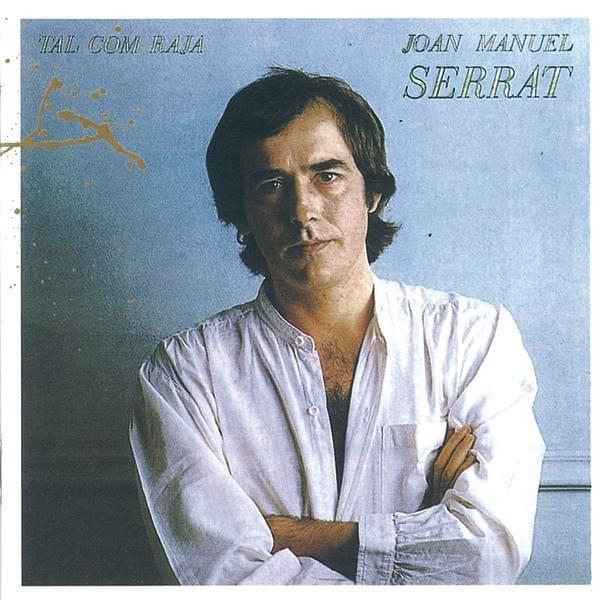
 View Artist