Song Meaning
These lyrics paint a vivid, almost paparazzi-like portrait of a privileged, glamorous class, initially described with a flurry of adjectives like "guapos, Feliços, Massissos" (handsome, happy, solid). Yet, this immediate allure is swiftly undercut by a darker reality, hinting at lives that are simultaneously "inútils, I absurds" (useless, and absurd). The opening verses quickly establish a world of superficial indulgence, where people "Esquien, Naveguen, S'ofeguen D'alcohol" (ski, sail, drown in alcohol).
The central tension of the lyrics emerges from a relentless series of contrasts, articulated through the repeated structure: "Tenen més... Però també més..." (They have more... But also more...). This pattern reveals that every apparent advantage carries a hidden burden. More friends mean "més falsos" (more false ones), more security brings "més por" (more fear), and more power leads to "més maldecaps" (more headaches). The recurring phrase "En paus" (in balance or at peace) becomes deeply ironic, suggesting that for all their excess, these lives are ultimately weighed down by their own complexities and hidden costs.
The craft here is particularly effective in its use of specific, often biting, imagery. The observation that they have "més sabates Però també tenen dos peus" (more shoes, but also only two feet) perfectly encapsulates the futility of their material accumulation. The lyrics also shift perspective, moving from detached observation to a more collective, almost judgmental "els tenim voltats" (we have them surrounded), hinting at the public's constant scrutiny of "La jet" (the jet set). This constant visibility forces them to have "més a lluir Però també més a amagar" (more to show off, but also more to hide).
Ultimately, the lyrics deliver a cynical yet poignant commentary on the illusion of a perfect life. By meticulously detailing the hidden anxieties and superficiality beneath the glitzy surface, the song invites the listener to question the true value of such privilege. The final lines, acknowledging that they "la palmen" (kick the bucket) like everyone else, but only "després D'haver viscut com déu" (after having lived like a god), provide a stark, almost resigned conclusion, suggesting that even death can't fully erase the perceived divine nature of their existence.
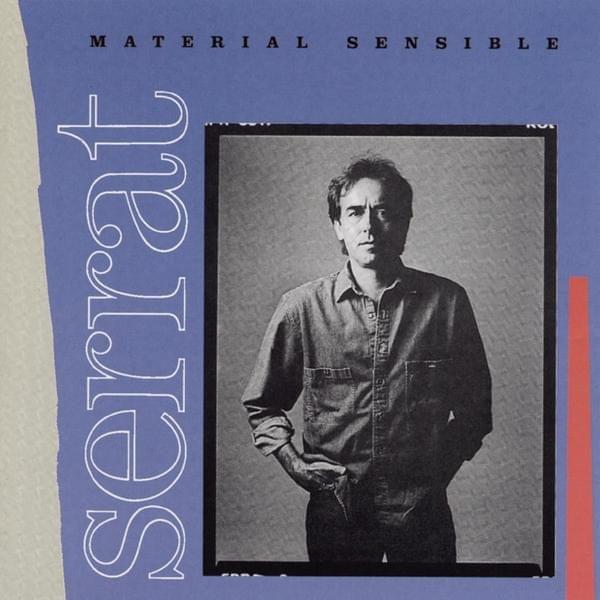
 View Artist