Song Meaning
The lyrics paint a stark picture of departure, beginning on a "gris de primavera" day as a group "bajaron hacía el sur." They carry their "juventud en bandolera" and "sueños al hombro," a vivid image of youthful optimism and burden as they cross a hill, observed only by the "viejas encinas." This sets a tone of quiet, almost inevitable exodus, where nature itself is the sole witness to their leaving.
The central tension lies between the allure of the unknown and the reality of what's left behind. The refrain "A cualquier parte / En cualquier lugar" speaks to a restless search, following "otras pisadas" because "el camino no acaba / En el encinar." Yet, the return is somber: "Volvieron muy pocos de aquellos." This stark contrast between the hopeful departure and the diminished return fuels the narrator's own decision to leave, driven by a desire for a different sun and a break from the past.
The most striking craft element is the recurring image of the "encinar" (holm oak grove). It acts as a symbol of home, of roots, and perhaps of stagnation. The narrator explicitly states they are leaving "del encinar," wanting to escape the "gris canción de lo que he sido" and the familiar landscape. The contrast between the unchanging "encinar" and the desired "mar" highlights the deep yearning for change and new experiences.
This writing is effective because it grounds a universal feeling of wanderlust and dissatisfaction in concrete, evocative imagery. The simple, almost folk-like structure and language make the emotional weight of leaving and the hope for something more palpable. The narrator's direct address, "Os digo adiós," and the decision to pack away their past "en un cajón" create an intimate, relatable sense of personal resolve against the backdrop of a collective, perhaps tragic, journey.
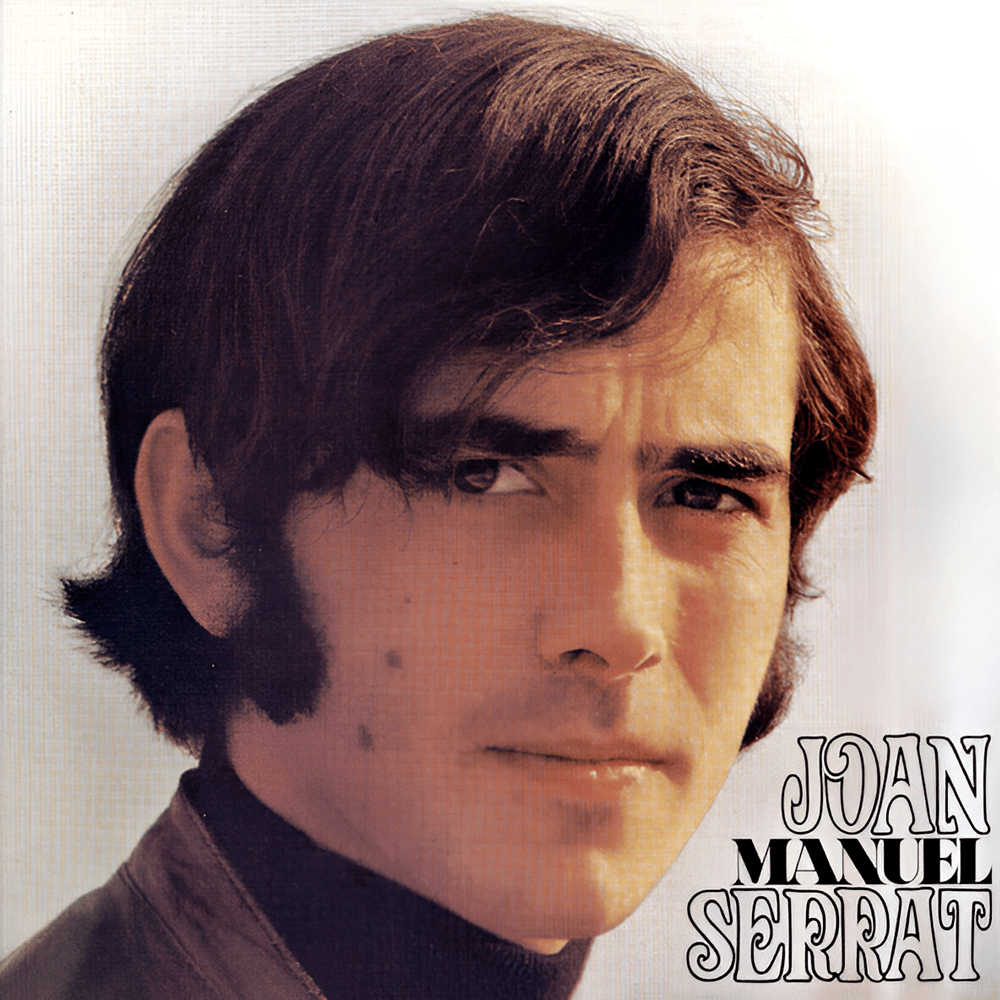
 View Artist