Song Meaning
This is a wistful reflection on lost childhood innocence, framed by the image of a paper boat. The boat, described as "nameless, without a captain, and without a flag," and "navigating without a rudder," immediately establishes a sense of aimlessness and vulnerability. It’s a vessel adrift, dictated by the whims of the current, mirroring a state of being unburdened by direction or responsibility. This initial portrayal sets a tone of gentle melancholy, a quiet observation of something fragile being carried away.
The lyrics then shift to the act of creation and the imagined adventures of this paper boat, personified as a "bold adventurer, paper rider." The narrator’s hand, described as "without a past," placed the boat, suggesting a pure, unadulterated moment of play. The world was vast then: "when the canal was a river, when the pond was the sea." Navigating was simply "playing with the wind," a joyful escape "from country to country, between school and my house." This paints a vivid picture of childhood imagination where the mundane becomes epic, and simple journeys hold immense wonder.
The core tension arises with the stark contrast between past and present. The narrator acknowledges, "Then time passes, and you forget that paper boat." The boat, once a symbol of boundless play and a carefree existence, is now stranded on an "unknown sandy shore." Its "smile and my past" are found "dressed as a schoolchild," a poignant image that ties the loss of the boat directly to the loss of that specific, innocent past. The joy of sailing has been replaced by the reality of being beached, a quiet testament to how quickly and irrevocably childhood fades.
What makes these lyrics resonate is the delicate balance between the whimsical imagery of the paper boat and the profound, unspoken sadness of lost time. The simple, almost childlike language belies a deep sense of nostalgia. The repeated image of the "barquito de papel" acts as a constant anchor to that lost state, its present strandedness highlighting the irreversible passage of time and the fading of youthful dreams. It’s a quiet ache, a recognition that the grand adventures of childhood are confined to memory, leaving only a faint outline on an "unknown sandy shore."
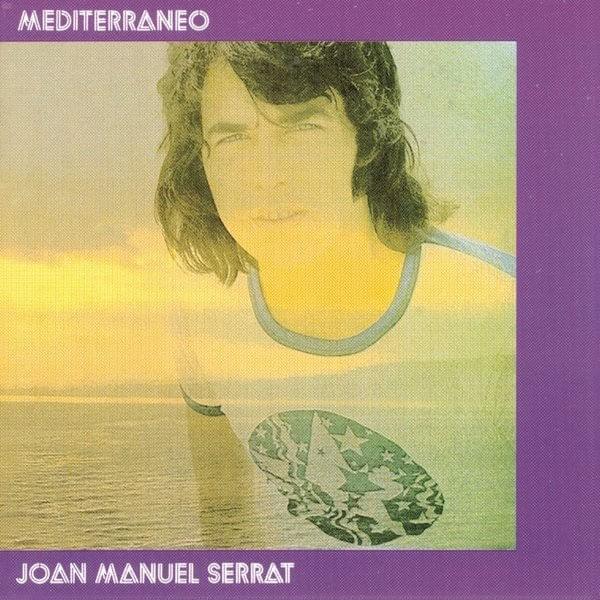
 View Artist