Song Meaning
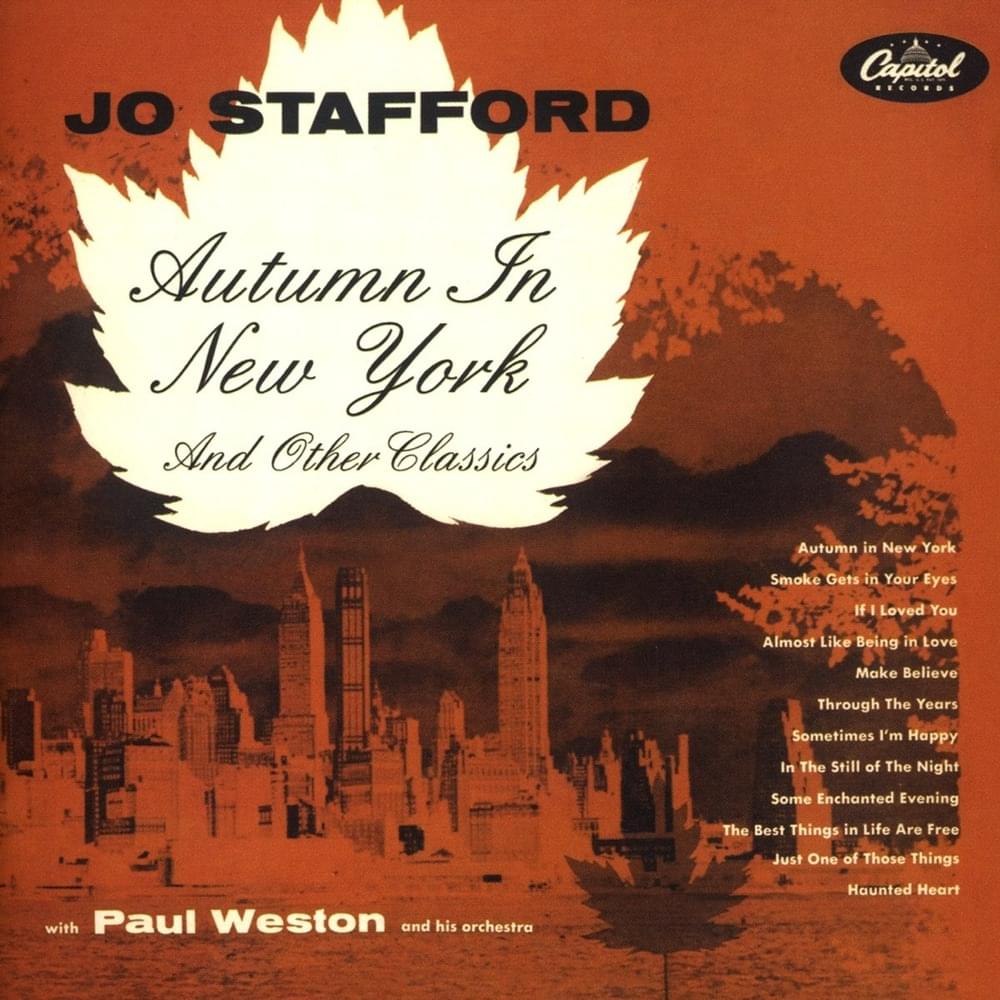
Jo Stafford's rendition of "The Best Things In Life Are Free" isn't just a Depression-era platitude; it's a gentle, almost subversive commentary on value itself. The song's core message, seemingly simple, cleverly positions fundamental human experiences – love, nature's beauty, shared moments – outside the realm of capitalist exchange. While the wealthy hoard tangible assets, Stafford reminds us that the most profound sources of joy remain universally accessible. The 'moon belongs to everyone,' a quiet assertion of shared humanity against the backdrop of economic disparity.
The song's emotional resonance lies in its understanding of human psychology. During times of scarcity or societal stress, people often fixate on what they lack. "The Best Things In Life Are Free" offers a counter-narrative, redirecting attention towards readily available sources of comfort and connection. The lyrics about 'flowers in spring' and 'robins that sing' tap into primal appreciation for the natural world, a connection that transcends social class. The repetition of 'they're yours, they're mine' emphasizes shared ownership and collective experience, fostering a sense of belonging and mutual support.
Ultimately, the song's enduring appeal stems from its optimistic pragmatism. It's not a denial of economic realities, but a psychological survival strategy. Stafford's interpretation doesn't preach revolution; instead, it subtly shifts perspective, suggesting that true wealth isn't measured in dollars but in the capacity to appreciate the intangible gifts that surround us. This lyrical analysis reveals a deeper, more nuanced understanding of value, one that prioritizes shared human experience over material possessions, subtly challenging the prevailing metrics of success.
 View Artist