Song Meaning
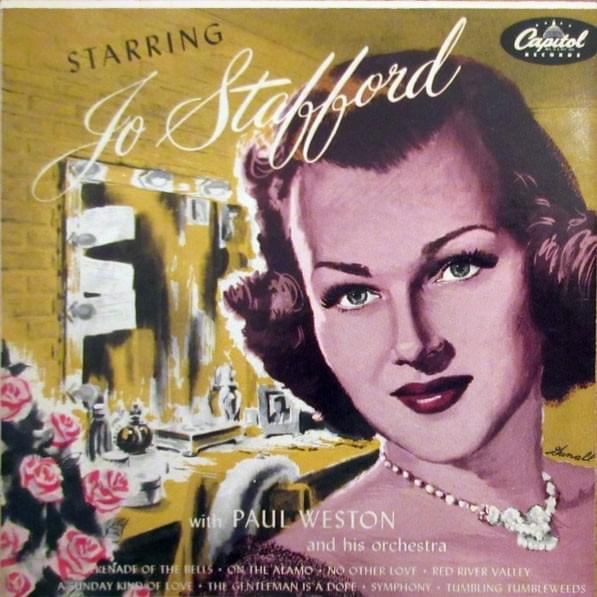
Jo Stafford's rendition of "Red River Valley" isn't just a sentimental farewell; it's a masterclass in understated emotional manipulation. The song, at its core, is a plea disguised as a lament. The singer, facing the departure of a loved one, isn't merely expressing sadness but actively attempting to weaponize nostalgia. Phrases like "We will miss your bright eyes and sweet smile" and "taking the sunshine" aren't simple expressions of affection; they're calculated to evoke guilt and a sense of responsibility in the departing individual. The repeated emphasis on the idyllic past – "the Red River Valley" and "the love we exchanged 'mid the flowers" – functions as a carefully constructed emotional trap. It's a subtle, almost passive-aggressive maneuver, designed to make leaving feel like an act of betrayal. The brilliance of Stafford's delivery lies in its apparent innocence, masking the underlying emotional strategy at play. The song’s power isn’t in grand gestures, but in the quiet insinuation that leaving equates to abandoning something precious and irreplaceable.
The verses drip with a carefully curated sorrow, designed to tug at the heartstrings of anyone contemplating a move. The line "Oh think of the fond heart you're breaking / And the grief you are causing to me" is particularly potent, shifting the focus from the singer's own pain to the potential guilt of the departing lover. This is not just about sadness; it's about the implied consequences of leaving. The "Red River Valley" itself becomes a symbol of a shared past and a threatened future, a microcosm of the relationship itself. By invoking the valley, the singer isn't just recalling pleasant memories, but also subtly reminding the other person of what they stand to lose. The genius of the song is how expertly it uses the language of love and longing to construct an argument against leaving.
Ultimately, "Red River Valley," as interpreted by Stafford, transcends a simple goodbye. It's a study in the psychology of attachment and the subtle ways we attempt to influence those we care about. The song's enduring appeal lies not only in its beautiful melody but also in its raw, honest portrayal of the emotional complexities inherent in love and loss. It exposes the underlying power dynamics in relationships, where even the most heartfelt expressions of affection can be tinged with a desire to control and retain. The quiet desperation woven into the fabric of the lyrics ensures that the listener understands the true stakes of the departure. This is more than just a song; it's a psychological portrait of a heart unwilling to let go.
 View Artist