Song Meaning
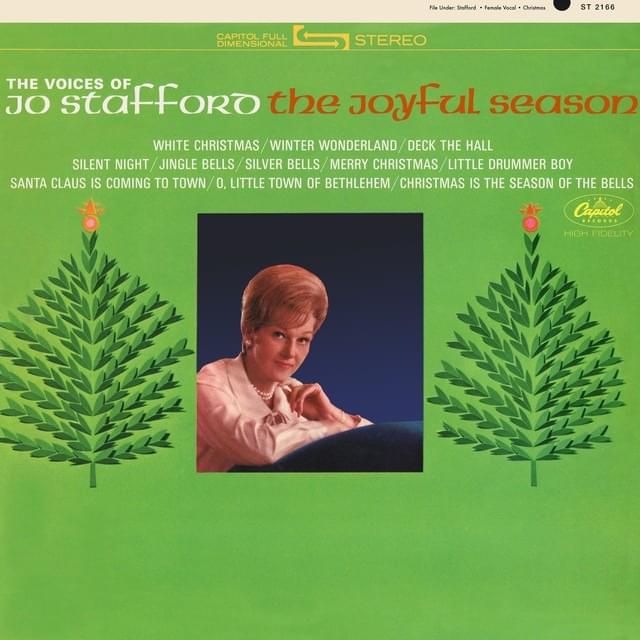
Jo Stafford's rendition of "O Little Town of Bethlehem" isn't just a Christmas carol; it's a carefully constructed emotional landscape. The opening lines paint Bethlehem as a place of profound stillness, a near-void punctuated only by the 'everlasting Light.' This contrast is psychologically potent. Stafford, a master of controlled delivery, uses this quietude to amplify the arrival of hope. It's not a boisterous celebration, but a deeply personal invitation. The song’s power resides in its ability to tap into the listener’s yearning for peace and meaning, especially during a season often fraught with anxiety and societal pressure. The lyrics subtly acknowledge the weight of human existence—'the hopes and fears of all the years'—before offering solace.
The second verse shifts from observation to supplication. It's a direct plea: 'Descend to us, we pray.' This isn't passive reception; it's an active desire for transformation. The carol asks for inner change ('Cast out our sin and enter in / Be born in us today'), framing spiritual renewal as a present, ongoing process rather than a distant historical event. Stafford’s interpretation underscores the personal responsibility inherent in faith. The 'great glad tidings' aren't just a story; they're a call to action, a challenge to embody the spirit of Christmas in one's own life.
Ultimately, the song's enduring appeal lies in its sophisticated understanding of human vulnerability and the desire for redemption. Stafford's performance, while seemingly simple, is a masterclass in emotional nuance. The genius of "O Little Town of Bethlehem," particularly as interpreted by Stafford, is how it transforms a historical narrative into an intimate, contemporary experience. It's a reminder that the promise of Bethlehem—of hope born in unexpected places—is perpetually available, if one is willing to actively seek it within themselves.
 View Artist