Song Meaning
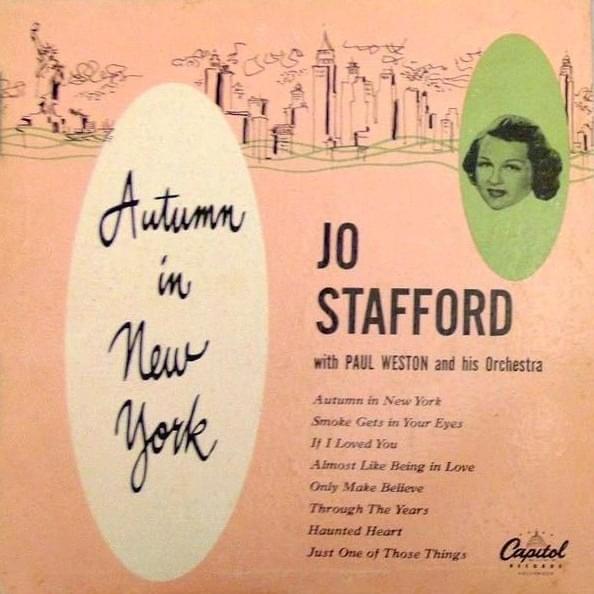
Jo Stafford's "Haunted Heart" isn't just a song; it's a masterclass in sonic melancholia, a study in the lingering specters of lost love. The track wraps the listener in a velvet fog of nostalgia, exploring the psychological landscape of a heart still tethered to a past romance. The "ghost of you within my haunted heart" isn't a literal haunting, but a deeply resonant metaphor for the way memories can indelibly shape our emotional present. It speaks to the universal experience of carrying fragments of past relationships, those "lips that laugh, eyes that dance," within us long after they've faded from our daily lives. Stafford doesn't just sing about heartbreak; she embodies the way the mind replays cherished moments, turning them into both solace and torment.
The song's power lies in its stark simplicity. The lyrics paint a vivid picture of internal conflict, where "dreams repeat a sweet but lonely song." This "lonely song" isn't just a melody; it's the persistent echo of what once was, a constant reminder of what's been lost. The plea, "Dreams are dust, it's you who must belong to me," reveals a yearning that transcends mere sentimentality. It touches upon the human desire for completion, the feeling that a part of oneself remains missing in the absence of the beloved. The repeated invocation of the "haunted heart" underscores the cyclical nature of grief, the way memories can resurface unexpectedly, stirring up dormant emotions.
Ultimately, "Haunted Heart" isn't simply about the pain of lost love; it's an exploration of the mind's capacity to both preserve and be imprisoned by the past. Stafford's delivery is both tender and resolute, conveying a sense of vulnerability and strength. The song leaves us contemplating the complex interplay between memory, desire, and the enduring power of the human heart to both ache and endure.
 View Artist