Song Meaning
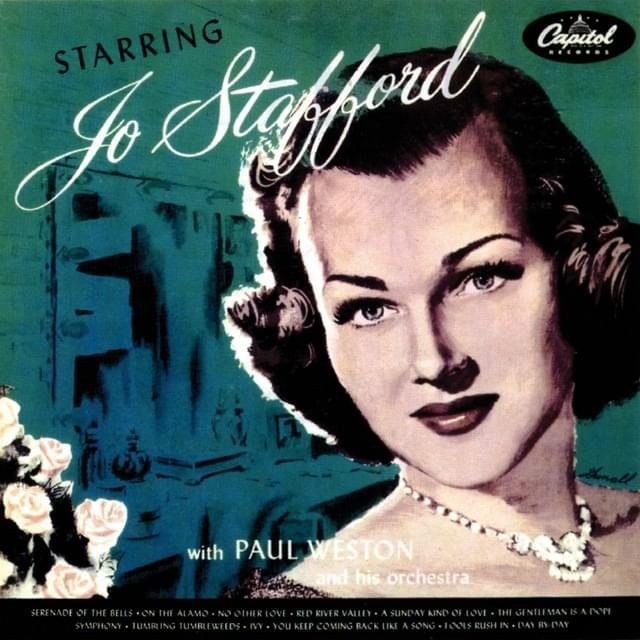
Jo Stafford's rendition of "Fools Rush In" isn't just a breezy melody; it's a surprisingly sharp dissection of romantic recklessness, served with a side of mid-century charm. The lyrics, simple yet profound, tap into the universal human impulse to leap headfirst into love, consequences be damned. The core idea, borrowing from Alexander Pope, is that naivete, or perhaps blissful ignorance, allows for experiences that cautious wisdom would preclude. It's the age-old tension between risk and reward, played out on the intimate stage of the human heart. Stafford's delivery, while smooth, carries an undercurrent of vulnerability, hinting at the potential pain lurking beneath the surface of such impulsive behavior. The song isn't glorifying foolishness, but rather acknowledging its undeniable power.
The "fools rush in where angels fear to tread" sentiment establishes a hierarchy, but it's a deliberately inverted one. Angels, representing caution and perhaps divine wisdom, are contrasted with the passionate, impetuous "fool." The lyrics suggest that this fear prevents angels (or "wise men") from experiencing the transformative power of love. The song delicately balances the awareness of potential danger ("Though I see the danger there") with an almost defiant embrace of vulnerability ("Then I don't care"). This tension is what gives the song its enduring appeal; it speaks to the part of us that longs for connection, even when our rational minds scream warnings.
Ultimately, "Fools Rush In" becomes a persuasive argument *for* folly, at least when it comes to matters of the heart. The line "wise men never fall in love, so how are they to know?" encapsulates the song's central thesis. Experience, particularly the profound experience of falling in love, trumps wisdom. Stafford's performance elevates the song beyond a simple love ballad, transforming it into a poignant exploration of human nature, risk, and the intoxicating allure of the unknown. The concluding invitation to "open up your heart and let this fool rush in" is not just a plea for love, but also a testament to the power of embracing our own inherent foolishness.
 View Artist